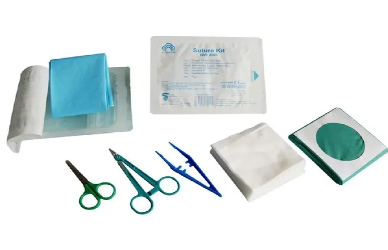
Minor wounds are common and can happen anytime, whether at home, in the workplace, or while out and about. Fortunately, with the right tools, such as a dressing kit, these wounds can be managed effectively at home, preventing infection and promoting faster healing. But can you really use a dressing kit for minor wounds? In this article, we will explore how dressing kits work, what components they include, and how they can be applied at home for minor injuries.
Understanding Dressing Kits for Home Use
Dressing kits are an essential tool for wound care, and they are commonly used in both clinical settings and at home. These kits are designed to provide everything needed to treat wounds, such as cuts, scrapes, and abrasions, in a safe and effective manner. Using a dressing kit at home helps ensure that minor injuries are handled promptly, reducing the risk of complications like infection and delayed healing.
A dressing kit typically includes sterile materials that help protect the wound from contaminants, absorb exudates, and create an optimal environment for healing. With the right knowledge, using a dressing kit at home can be an excellent way to manage minor wounds without needing to seek immediate professional care. However, it’s important to understand when and how to use these kits for best results.
Components of a Dressing Kit for Minor Wounds
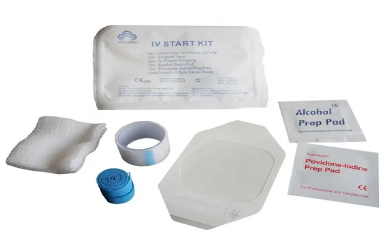
A typical dressing kit is designed to meet the needs of minor wound care, including materials to clean, cover, and protect the wound. Let's explore the common components found in a dressing kit, and how each one helps with wound care.
1. Sterile Gauze
Sterile gauze is a primary component in any dressing kit. It’s used to cover the wound and absorb any exudate (fluid that leaks from the wound as it heals). The purpose of the gauze is twofold: first, it keeps the wound clean and dry, and second, it absorbs any moisture to prevent bacterial growth.
For minor cuts or scrapes, a single gauze pad is often sufficient to cover the wound. If the wound is larger or produces more exudate, multiple layers of gauze or larger pads may be used.
2. Adhesive Tape
Adhesive tape is used to secure the gauze or bandage in place, ensuring that it stays over the wound and does not shift or fall off. The tape helps to keep the wound protected from environmental contaminants, such as dirt and bacteria. In addition, adhesive tape ensures that the dressing stays on while the wound heals, without requiring constant readjustment.
There are different types of adhesive tape available, including fabric tape, plastic tape, and paper tape. Depending on the sensitivity of the skin and the location of the wound, you can select the tape that will provide the best comfort and protection.
3. Antiseptic Wipes
Before applying the dressing, it’s essential to clean the wound to prevent infection. Antiseptic wipes in the dressing kit help to disinfect the wound area, killing harmful bacteria that might cause infections. These wipes typically contain alcohol or other antimicrobial agents that sterilize the wound and surrounding skin.
Using antiseptic wipes is crucial in the early stages of wound care. They remove any dirt or debris that may have been introduced into the wound, helping to create a clean and sterile environment for the dressing.
4. Bandages
In some cases, a bandage may be included in the dressing kit to further protect the wound or provide additional support. Bandages are especially useful when the dressing needs to stay in place for an extended period or if the wound is on a location that experiences movement (such as the hands or feet).
For minor wounds, the bandage will help secure the gauze and tape in place, providing added protection against external factors. For larger or more complex wounds, a bandage may be necessary to provide extra compression or stability.
When to Use a Dressing Kit for Minor Wounds
Dressing kits are incredibly useful for treating minor wounds at home. However, it’s essential to know when to use a dressing kit for the best outcome. Minor cuts, scrapes, and abrasions are the most common types of wounds that can be treated with a dressing kit.
1. Minor Cuts and Abrasions
Minor cuts and abrasions are often caused by accidents, such as accidental knife cuts, paper cuts, or scrapes from falls. These types of wounds usually don’t require professional care, but they need to be managed properly to avoid infection and to promote faster healing.
A dressing kit is perfect for these types of wounds, as it provides everything you need to clean, cover, and protect the injury. Using gauze and antiseptic wipes will help prevent infection, while adhesive tape keeps the dressing in place.
2. Scrapes and Bruises
Scrapes (or abrasions) are common injuries that typically occur when the skin is rubbed or scraped against a rough surface. These wounds are typically superficial but can become infected if not properly cleaned and protected. Using a dressing kit will help cover the wound, protect it from dirt and bacteria, and promote healing.
3. Avoiding Infection
Infection is one of the most significant risks when caring for minor wounds. If not handled properly, even small cuts and scrapes can become infected and cause complications. Dressing kits are designed to minimize the risk of infection by providing sterile materials for wound care. Applying antiseptic wipes before applying the dressing and keeping the wound covered with sterile gauze ensures the wound remains clean and protected.
Best Practices for Using a Dressing Kit at Home
Using a dressing kit correctly is vital to ensure that the wound heals effectively and without complications. Here’s a step-by-step guide for using a dressing kit to treat minor wounds:
1. Wash Your Hands
Before applying any dressing or cleaning the wound, wash your hands thoroughly to prevent transferring bacteria or germs to the wound site. This step is crucial in ensuring the wound remains sterile during the healing process.
2. Clean the Wound
Use antiseptic wipes or a saline solution to gently clean the wound and surrounding area. This step helps remove dirt, debris, and bacteria from the wound, which is essential in preventing infection.
3. Apply the Gauze
Place a sterile gauze pad over the wound to absorb exudates and protect the injury. If the wound is small, a single gauze pad may suffice. For larger wounds, you may need multiple gauze pads to fully cover the area.
4. Secure the Dressing with Tape
Once the gauze is in place, use adhesive tape to secure it. Ensure the tape is applied smoothly and gently, without causing tightness that could restrict blood flow. Make sure the gauze stays in place and the wound is properly covered.
5. Use a Bandage (If Necessary)
If the wound requires extra protection or if it’s in an area prone to movement, you may need to use a bandage. The bandage helps hold the gauze in place and provides additional protection against external contaminants.
6. Change the Dressing Regularly
Change the dressing every 2-3 days, or sooner if it becomes wet, soiled, or uncomfortable. It’s also essential to change the dressing if you notice any signs of infection, such as increased redness, swelling, or discharge.
Limitations of Using a Dressing Kit at Home
While dressing kits are excellent for treating minor wounds, there are some limitations to using them at home. It's important to recognize when a wound requires professional medical care.
1. When to Seek Professional Help
Some minor wounds, such as deep cuts or wounds with heavy bleeding, may require professional care. If you are unsure whether a wound needs medical attention, it's always best to consult a healthcare professional.
2. Deep Wounds or Heavy Bleeding
If the wound is deep or bleeding heavily, applying a dressing kit at home may not be sufficient. In such cases, immediate medical attention is needed to ensure the wound is properly treated and to prevent complications.
FAQ (Frequently Asked Questions)
1. Can I use a dressing kit for burns at home?
Yes, you can use a dressing kit for minor burns, but be sure to follow proper burn care guidelines. If the burn is severe or large, seek professional medical attention immediately.
2. What should I do if a dressing kit is not enough to stop the bleeding?
If bleeding doesn't stop after applying pressure with gauze, seek immediate medical attention. For heavy bleeding, use a clean cloth to apply pressure and call for help.
3. Can I reuse the materials from a dressing kit?
No, materials from a single-use dressing kit should never be reused. They must be discarded after each use to maintain hygiene and prevent contamination.
4. How do I know if my minor wound needs professional medical care?
If the wound is deep, won’t stop bleeding, or shows signs of infection (increased redness, warmth, swelling), you should seek professional medical care.
Conclusion
Dressing kits are an essential tool for managing minor wounds at home. They provide everything you need to clean, cover, and protect cuts, scrapes, and abrasions. By using a dressing kit, you can prevent infection, promote healing, and ensure that the wound remains clean and sterile.
While dressing kits are an excellent solution for most minor injuries, it's essential to understand when to seek professional help. For minor wounds that can be managed at home, dressing kits offer a simple, effective, and convenient way to ensure proper wound care. Keeping a well-stocked dressing kit at home is a great way to be prepared for minor injuries and provide prompt, effective care.


