Contents
Introduction
Essential Components of a Professional Dressing Kit
Sterile Dressings and Their Importance
Cleaning and Antiseptic Supplies
Bandages, Tapes, and Fixation Tools
Tools and Accessories for Safe Wound Management
Specialized Supplies for Post-Op and Surgical Care
Organizing Your Home Care Wound Dressing Kit
Conclusion
FAQ
Introduction
A well-prepared dressing kit is a cornerstone of effective wound management at home. Proper wound care is critical not only to accelerate healing but also to prevent infections and complications. For individuals recovering from surgery, injuries, or chronic conditions, having a comprehensive home care wound dressing kit ensures readiness to handle emergencies and routine wound care without delays. The goal of a professional dressing kit is to provide a safe, sterile, and convenient solution for wound management while minimizing the risk of contamination. In this guide, we explore all the essential items, their uses, and best practices to assemble a professional dressing kit tailored for home care.
Essential Components of a Professional Dressing Kit
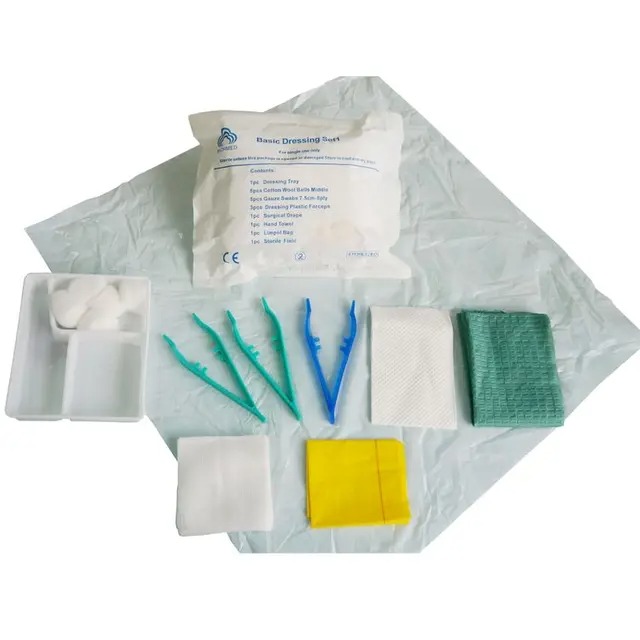
A professional dressing kit should be thoughtfully organized with supplies that meet different wound care needs. Core components include sterile disposable dressings, antiseptic wipes, adhesive bandages, and basic tools such as scissors and forceps. Each item serves a purpose in promoting healing, reducing infection risk, and providing comfort to the patient. While assembling a home care wound dressing kit, prioritize items that are multi-functional, safe for repeated use, and compliant with medical hygiene standards. Including both general-purpose and specialized items ensures that minor cuts, burns, or post-surgical wounds are addressed promptly.
An organized dressing kit allows caregivers or patients to quickly identify the right supplies. Consider categorizing items into sections: cleaning and disinfecting, dressing and covering, and support tools. For families with children or elderly members, extra emphasis on sterile and easy-to-use materials can prevent complications. Preparing a medical dressing kit for clinics at home is also recommended if frequent wound management is required, such as for chronic ulcers or post-operative care.
Sterile Dressings and Their Importance
Sterile dressings are the backbone of any dressing kit. They create a protective barrier that keeps bacteria and debris away from the wound, reducing infection risks. Different types of sterile dressings are suited for different wound types:
Gauze Pads: Suitable for minor cuts, abrasions, and post-operative care.
Hydrocolloid Dressings: Provide a moist environment to enhance healing for chronic wounds.
Foam Dressings: Ideal for absorbing exudates from moderate to heavy wounds.
Transparent Film Dressings: Protect surgical or superficial wounds while allowing visual inspection.
Including sterile disposable dressings in your kit ensures that every wound receives a hygienic covering immediately. Proper storage in a dry, cool place is vital to maintain sterility. For homes with frequent wound care needs, maintaining a stock of different sizes and types of dressings enhances preparedness.
Cleaning and Antiseptic Supplies
Effective wound management begins with proper cleaning. A home care wound dressing kit should include antiseptic solutions and wipes to prevent infection. Common options include:
Alcohol Wipes: Quick and effective for minor surface cleaning.
Povidone-Iodine or Chlorhexidine Solutions: Recommended for deeper or post-operative wounds.
Saline Solution: Ideal for gentle wound irrigation without irritation.
Proper cleaning reduces microbial load and prepares the wound for safe dressing application. Using medical-grade antiseptics ensures compatibility with sensitive skin and minimizes adverse reactions. Including disposable gloves in the kit reinforces hygiene, preventing cross-contamination during wound care.
Bandages, Tapes, and Fixation Tools
Bandages and adhesive tapes are essential for securing dressings and providing support to injured areas. A dressing kit should include:
Elastic Bandages: Useful for sprains and pressure support.
Adhesive Strips and Tapes: Secure gauze pads or dressings in place.
Cohesive Bandages: Provide compression without sticking to the skin.
| Item | Purpose | Recommended Use |
| Adhesive Gauze Pad | Cover minor cuts | Daily dressing changes |
| Elastic Bandage | Support injured joints | Sprains, minor fractures |
| Transparent Film Dressing | Protect surgical wounds | Post-operative care, visual monitoring |
| Cohesive Bandage | Compression and secure fixation | Sprains, chronic ulcer management |
Proper selection and application prevent dressings from shifting, maintain sterility, and provide optimal healing conditions.
Tools and Accessories for Safe Wound Management
A professional dressing kit is incomplete without essential tools that facilitate wound care safely. These include:
Sterile Scissors and Forceps: For trimming dressings without contaminating the wound.
Tweezers: Remove debris or splinters from minor injuries.
Disposable Gloves: Protect both caregiver and patient from contamination.
Thermometer and Small Ice Packs: Support wound management and monitor healing progress.
Having a dedicated section for tools ensures quick access during emergencies. Safety considerations, such as proper sterilization and separate storage from dressings, prevent accidental infection.
Specialized Supplies for Post-Op and Surgical Care
For patients recovering from surgery or severe injuries, a dressing kit for post-op care requires additional specialized items. These include:
Surgical Dressings: Heavier-duty dressings for post-surgical wounds.
Hydrogel Pads: Maintain moisture and relieve pain in sensitive wounds.
Medical Adhesive Removers: Safe removal of stubborn tapes without damaging the skin.
Integrating surgical and medical-grade supplies in your kit ensures readiness for complications like drainage, irritation, or slow-healing wounds. Keeping detailed notes on dressing changes and wound condition supports better home care monitoring.
Organizing Your Home Care Wound Dressing Kit
A professional dressing kit is most effective when well-organized. Suggested organization tips:
Use Compartmentalized Containers: Separate dressings, tools, and antiseptics.
Label Sections Clearly: Avoid confusion during emergencies.
Maintain an Inventory List: Track usage and replenish supplies timely.
Include Instructions or Quick Reference Guides: Assist non-professional caregivers.
Regularly inspecting your kit and ensuring sterile disposable items are within their expiration dates is crucial. Proper organization reduces stress during wound care, especially in emergencies or post-operative situations.
Conclusion
A fully stocked and organized dressing kit is essential for professional home wound care. Including sterile dressings, antiseptics, bandages, fixation tools, and specialized supplies equips caregivers and patients to manage wounds safely and efficiently. Whether addressing minor injuries, post-op recovery, or chronic wounds, a professional home care wound dressing kit promotes faster healing, minimizes infection risks, and ensures peace of mind. Investing in proper supplies and organization enhances the quality of care delivered at home.
FAQ
Q1: How often should I update my home dressing kit?
A: Inspect supplies every 3–6 months, replacing expired items and restocking used dressings and antiseptics.
Q2: Can I use non-sterile dressings in a home wound care kit?
A: Non-sterile dressings are suitable only for minor, superficial injuries. For surgical or post-op wounds, always use sterile disposable dressings to prevent infection.
Q3: Is it necessary to include surgical supplies in a home dressing kit?
A: For patients recovering from surgery or managing chronic wounds, including surgical and medical-grade dressing kit components is highly recommended.
Q4: How should I store my home care wound dressing kit?
A: Store in a cool, dry place, away from direct sunlight, and separate tools from consumable dressings to maintain sterility.


