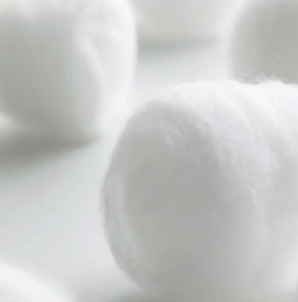
Cotton is a staple in healthcare, prized for its soft, absorbent, and hypoallergenic properties. One of its most commonly used forms is cotton balls, essential in patient care and wound management. In this article, we'll explore how cotton balls are utilized in various medical applications. You'll learn about their critical roles, proper usage, and the techniques involved in ensuring their effectiveness.
The Essential Properties of Cotton in Healthcare
Softness and Hypoallergenic Nature
Cotton is favored in healthcare due to its gentle nature. Unlike synthetic fibers, cotton is naturally soft, making it ideal for products that come into direct contact with sensitive skin. Whether used in bandages, dressing wounds, or personal hygiene products like baby wipes, cotton minimizes the risk of irritation. Its hypoallergenic nature ensures that patients, even those with sensitive skin or allergies, can safely use cotton-based products without adverse reactions.
Absorbency and Sterilization
One of the standout features of cotton is its remarkable absorbency. Cotton's fibers can soak up liquids quickly, which is why it's indispensable in wound care and hygiene products. Cotton balls, in particular, are excellent at absorbing blood, exudates, and cleaning agents, ensuring that the surrounding areas remain dry and clean during medical procedures.
Additionally, cotton is highly responsive to sterilization processes like steam, ethylene oxide, and gamma radiation. This ability to be sterilized ensures that cotton-based products, including medical cotton balls, remain safe and effective for use in sterile environments.
Versatility of Cotton in Medical Settings
Cotton’s versatility is evident across a broad range of medical applications. Whether used externally in bandages and facemasks or internally in products like tampons, cotton can be tailored for various needs. Its adaptable nature allows it to be used in composite fabrics or blended with other materials, ensuring it can meet the specific requirements of different medical scenarios. From wound care to hygiene, cotton is integral in ensuring comfort, safety, and cleanliness.
Cotton Balls in Wound Care and First Aid
Role of Cotton Balls in Cleaning and Dressing Wounds
Cotton balls are among the most widely used tools for wound care. Their absorbent properties make them perfect for cleaning and disinfecting wounds. By applying antiseptics or cleaning solutions using cotton balls, healthcare providers can remove debris from wounds without causing further irritation. This process helps to prevent infection and ensures that the wound environment is conducive to healing.
Cotton balls are particularly beneficial because they can be easily applied and removed without sticking to the wound, minimizing patient discomfort. They are also gentle enough to use on delicate skin areas, such as around the eyes or on pediatric patients.
Cotton Balls for Absorbency in Medical Procedures
In medical settings, cotton balls are invaluable when managing bodily fluids. For example, during surgeries or dental procedures, they help to absorb blood and other fluids, keeping the site clean and dry. Cotton balls are also used to control moisture during minor procedures, preventing fluid buildup that could complicate the treatment process. Their absorbency helps minimize the need for constant changes and disruption during care.
Safe Handling and Storage of Cotton Balls
The safe handling and proper storage of cotton balls are crucial for maintaining their sterility. To prevent contamination, cotton balls should be stored in their original packaging until needed. Once opened, healthcare providers should use cotton balls immediately and dispose of any unused cotton properly.
Proper storage also includes keeping cotton products in a dry, cool environment. Exposure to moisture can lead to microbial growth, compromising the integrity of the product and posing a health risk to patients. Ensure cotton balls are stored in a dry, cool place to maintain their sterility and prevent contamination during transport or storage.
Cotton in Diagnostic and Laboratory Settings
Using Cotton Swabs for Sample Collection
Cotton swabs, similar to cotton balls, play a crucial role in diagnostic and laboratory settings. Medical professionals use cotton swabs to collect samples from patients, including throat swabs for strep tests or nasal swabs for viral infections. Cotton's absorbency ensures that a sufficient sample is collected, which is essential for accurate test results.
In addition to sample collection, cotton swabs are often used to apply medications or take tissue samples during medical procedures. The versatility of cotton swabs in these settings is another reason why they are so widely used in diagnostics and lab testing.
Cotton in Testing and Procedure Support
Beyond sample collection, cotton is used in laboratories and medical procedures to help prepare slides, clean instruments, or even collect other bodily fluids. The non-abrasive nature of cotton ensures that delicate tissues and surfaces are not damaged during these processes.
Cotton's ability to maintain cleanliness and minimize cross-contamination makes it ideal for ensuring accurate test results. The use of sterile cotton balls or swabs prevents any unwanted substances from affecting the outcome of tests, helping to improve patient care. Always ensure cotton swabs are sterile before use in diagnostic procedures to prevent contamination and ensure accurate test results.
Cotton Balls and Hygiene Products in Healthcare
Cotton Balls in Daily Hygiene and Patient Comfort
In healthcare, maintaining hygiene is a priority. Cotton balls are used in various personal care applications, such as cleaning a patient's face, applying creams, or removing makeup. Their soft texture and absorbent nature ensure that patients can receive a thorough cleaning without irritation.
Cotton balls are also essential for patient comfort in long-term care settings. Bedridden patients often require regular cleaning of sensitive skin areas, and cotton balls provide a gentle yet effective way to do so. This ensures that patients feel fresh and comfortable throughout their stay in healthcare facilities.
Cotton in Feminine Hygiene and Baby Care Products
Cotton's hypoallergenic properties extend to feminine hygiene products and baby care items. Cotton balls are frequently used in baby wipes, diapers, and feminine hygiene pads. For infants, cotton is particularly gentle on their sensitive skin, reducing the risk of rashes or irritation.
Similarly, in feminine hygiene products, cotton balls help to maintain cleanliness and comfort, ensuring that patients or consumers experience minimal discomfort. The breathability and absorbency of cotton make it ideal for these applications, offering both comfort and security.
The History and Evolution of Cotton in Medicine
Early Uses of Cotton in Medical Applications
Cotton’s use in medicine dates back to ancient times. In the Middle Ages, raw cotton fibers were used to treat wounds, protect burns, and even keep the edges of open wounds separated to promote drainage. However, this early cotton was not sterilized, making it a risky material for such uses.
By the mid-19th century, physicians began using cleaner, carded cotton for wound care. Carding cotton made it softer and safer to use, while the practice of cleaning it before use reduced the risk of infection.
The Development of Cotton-Based Medical Products
As the need for sterile medical supplies grew, the cotton industry evolved. By the late 1800s, bleached cotton was becoming more common in medical applications. This allowed for safer, more reliable cotton products, including bandages, cotton balls, and gauze.
Today, the purity and sterility of medical-grade cotton are crucial. Advances in processing have ensured that cotton used in healthcare is safe, sterile, and effective, making it one of the most trusted fibers in the medical field.
The Environmental Impact of Cotton in Healthcare
Sustainable Sourcing and Purification of Cotton
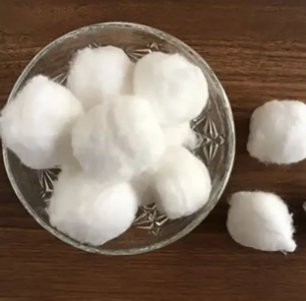
The growing demand for cotton in healthcare has highlighted the importance of sustainable sourcing. Organic cotton, grown without pesticides and chemicals, is becoming more popular in the healthcare industry. These environmentally friendly practices ensure that the cotton used in medical products is safe for both patients and the planet.
Additionally, the purification process for medical cotton ensures that it meets stringent safety standards. The cotton is thoroughly cleaned to remove impurities, ensuring its suitability for use in sterile medical environments.
Disposal and Recycling of Cotton Products
Proper disposal of used cotton products is essential for preventing contamination and environmental harm. In healthcare settings, cotton products that have come into contact with bodily fluids must be disposed of as biohazardous waste. Proper handling and disposal protocols help reduce the risk of infection and environmental contamination.
Some healthcare facilities are also looking into recycling cotton-based products, turning them into reusable or biodegradable materials. This helps minimize waste and supports sustainable practices in healthcare. Always follow proper disposal guidelines for used cotton products to prevent environmental contamination and ensure healthcare safety.
Conclusion
Cotton remains an essential material in healthcare due to its unique properties. Whether used in medical cotton balls, swabs, dressings, or hygiene products, cotton plays a pivotal role in ensuring patient safety, comfort, and care. Its long history in medicine, combined with its ability to be safely sterilized, makes it ideal for a wide range of applications. With advancements in sustainable sourcing and disposal, cotton will continue to be a trusted material in healthcare for years to come.
RICH MEDICAL provides high-quality cotton products designed for healthcare professionals. Their cotton products offer superior absorbency and comfort, ensuring patient safety in every application.
FAQ
Q: What are cotton balls used for in healthcare?
A: Cotton balls are commonly used for cleaning wounds, applying antiseptics, and absorbing excess fluids during medical procedures. They help ensure a sterile environment and promote patient comfort.
Q: How do medical cotton ball application techniques ensure safety?
A: Proper techniques, like using sterile cotton balls and following hygiene protocols, minimize the risk of contamination, ensuring patient safety and effective treatment.
Q: Why are cotton balls preferred over other materials in medical settings?
A: Cotton balls are soft, absorbent, hypoallergenic, and easily sterilized, making them ideal for sensitive skin and a variety of medical applications, from wound care to diagnostics.


