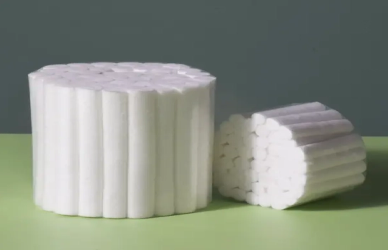
Medical cotton is an essential material in both clinical and home healthcare settings. Known for its softness, sterility, and excellent absorbency, it is used in a variety of medical applications such as wound cleaning, dressing changes, surgical preparation, and personal hygiene. Whether in the form of cotton rolls, pads, swabs, or balls, medical cotton supports safe and effective patient care across hospitals, clinics, and households.
As global awareness of environmental issues continues to grow, there is increasing concern about the ecological footprint of disposable medical supplies. Healthcare institutions and environmentally conscious consumers alike are now questioning the sustainability of everyday medical products, particularly those used in large volumes—like medical cotton.
One of the most frequently asked questions is: Is medical cotton biodegradable? This article aims to address that question by exploring the composition and production of medical cotton, its biodegradability, and how it compares to other materials in terms of environmental impact. It will also highlight efforts toward greener practices in the medical cotton industry and suggest how users can make more eco-conscious choices without compromising hygiene and safety.
What is Medical Cotton Made Of?
1. Natural Origin of Cotton Fibers
Medical cotton begins with raw cotton, which is a natural fiber harvested from the seed hairs of the cotton plant (Gossypium species). These fibers are prized for their softness, breathability, and ability to absorb moisture—properties that make them ideal for medical use. The base material is 100% natural, making it biodegradable under proper conditions and safe for skin contact.
2. Processing and Sterilization for Medical Use
Unlike regular cotton used in textiles, medical cotton undergoes extensive processing to meet strict hygiene standards. This includes:
Cleaning and De-fatting: Raw cotton is thoroughly cleaned to remove plant matter, seeds, waxes, and oils.
Bleaching: It is bleached to ensure whiteness and further purification, resulting in a highly absorbent material.
Sterilization: The final step involves sterilization through methods such as steam, gamma irradiation, or ethylene oxide, ensuring the cotton is free from bacteria, spores, and other contaminants.
This process transforms raw cotton into a material that is safe for use in surgical procedures, wound care, and other sensitive medical tasks.
3. Presence of Additives or Chemical Treatments
While medical cotton is generally free from harmful additives, some products may include minor chemical treatments to enhance specific properties. For example:
Antibacterial treatments may be applied for enhanced infection control.
Binding agents could be used in products like cotton pads or swabs to maintain shape and structure.
However, reputable manufacturers minimize chemical use to ensure the cotton remains skin-friendly, hypoallergenic, and compliant with medical safety regulations.
Biodegradability of Medical Cotton
1. Definition of Biodegradability
Biodegradability refers to a material’s ability to naturally decompose through the action of microorganisms such as bacteria and fungi, eventually breaking down into water, carbon dioxide, and organic matter. A biodegradable product should leave no toxic residue and return harmlessly to the environment, ideally within a reasonable time frame under appropriate conditions.
2. How Natural Cotton Fibers Break Down in the Environment
Cotton, being a natural cellulose fiber, is inherently biodegradable. When exposed to moisture, oxygen, and microbial activity—such as in composting conditions or soil—cotton fibers typically decompose within a few months. Factors that influence this rate include:
Temperature and humidity
Microbial presence in the environment
Cotton density and structure (e.g., loose cotton breaks down faster than tightly packed materials)
This makes untreated or minimally processed cotton an environmentally friendly choice compared to synthetic alternatives like polyester or rayon, which can persist for years.
3. Impact of Medical Sterilization and Treatments on Biodegradability
While medical cotton starts as a natural material, the sterilization and processing it undergoes can affect its biodegradability to some extent:
Bleaching agents used in purification may leave minimal residues, though they generally degrade over time.
Antibacterial or antimicrobial coatings (if applied) may slow down decomposition depending on the substances used.
Packaging materials for sterile cotton, such as plastic wraps or aluminum pouches, are often not biodegradable, even if the cotton inside is.
Environmental Impact of Medical Cotton Disposal
1. Medical Waste Management Practices
In healthcare settings, used medical cotton is typically classified as medical waste, especially if it has come into contact with blood, bodily fluids, or pathogens. To prevent the spread of infection, this waste is often subject to strict disposal protocols, such as:
Incineration – a common method that ensures complete destruction of contaminated materials but generates carbon emissions.
Autoclaving and Landfilling – sterilizes waste before it is buried, but this may slow down natural decomposition and affect surrounding ecosystems.
Specialized waste collection systems – are used to separate contaminated cotton from general waste, but compliance varies by region and facility.
While these practices are necessary for public health, they limit the potential environmental benefits of medical cotton’s natural biodegradability.
2. Challenges in Biodegradation Due to Contamination or Packaging
Even though medical cotton itself is biodegradable, its real-world disposal introduces several challenges:
Contamination with biological matter such as blood or chemicals can prevent safe composting or natural decomposition.
Non-biodegradable packaging, including plastic wraps or foil-lined pouches used to keep cotton sterile, adds to landfill burden.
In many cases, entire units (e.g., swabs, cotton balls in plastic holders) are discarded as one item, making separation of biodegradable and non-biodegradable parts impractical.
These factors reduce the actual environmental benefit of using biodegradable materials, unless paired with eco-conscious design and proper waste handling.
3. Comparison with Synthetic Alternatives
When compared to synthetic materials like polyester-based gauze or blended fiber swabs, medical cotton still holds a clear ecological advantage:
Natural decomposition: Unlike synthetics that may persist in landfills for decades or release microplastics, cotton breaks down more readily in suitable environments.
Lower environmental toxicity: Cotton does not release harmful byproducts as it degrades, whereas many plastics may leach chemicals over time.
Renewable resource: Cotton is plant-based and thus renewable, whereas most synthetic alternatives are derived from petroleum.
Eco-Friendly Practices in Medical Cotton Production
1. Sustainable Sourcing of Cotton
Environmentally conscious medical cotton manufacturers are increasingly turning to sustainable cotton farming practices to reduce ecological impact from the very beginning of the production cycle. Key approaches include:
Crop rotation and reduced water usage to preserve soil health and lower irrigation demands.
Integrated pest management (IPM) to minimize pesticide use and protect surrounding ecosystems.
Fair-trade and ethically sourced cotton, which ensures social responsibility alongside environmental care.
By prioritizing cotton grown under such practices, manufacturers contribute to reducing deforestation, soil degradation, and biodiversity loss.
2. Use of Organic Cotton and Reduced Chemical Treatments
Organic medical cotton is derived from non-genetically modified (non-GMO) plants cultivated without synthetic fertilizers or pesticides. Benefits include:
Lower chemical residue in the final product, making it safer for patients with sensitive skin or allergies.
Less water pollution, as organic farming avoids runoff from chemical fertilizers and herbicides.
Energy savings in processing, as some organic systems emphasize lower-impact bleaching and cleaning methods.
Additionally, some producers now adopt eco-friendly sterilization methods, such as steam rather than chemical gas, to reduce environmental toxicity.
3. Innovations to Improve Environmental Footprint
Modern advancements are driving the development of greener solutions in the medical cotton industry. These include:
Biodegradable packaging materials, such as compostable paper wraps or plant-based bioplastics, replacing conventional plastics.
Closed-loop water systems in factories to recycle water used in cotton processing.
Cleaner energy use, such as solar-powered production facilities, reducing carbon emissions from manufacturing.
Conclusion
Medical cotton, made from natural fibers, is generally biodegradable and more environmentally friendly than synthetic alternatives. However, its actual environmental impact depends on factors such as sterilization methods, contamination after use, and packaging materials. Proper waste management and responsible sourcing are essential to maximize its eco-benefits.
For healthcare providers and consumers, choosing organic, sustainably produced medical cotton and supporting products with minimal chemical treatment and eco-friendly packaging can significantly reduce the environmental footprint.
By partnering with manufacturers that prioritize sustainability—like Taizhou Rich Medical Products Co., Ltd.—we can promote safer healthcare while protecting the planet. Visit www.tzrichmed.com to learn more about their commitment to quality and environmental responsibility.


