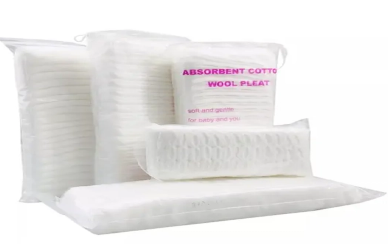
Cotton is a natural fiber widely used across various industries due to its softness, breathability, and absorbency. However, not all cotton products are created equal. In particular, medical cotton differs significantly from regular cotton in terms of processing, sterility, and intended use. Understanding these differences is crucial for healthcare professionals, caregivers, and consumers to ensure safety and effectiveness in medical and personal care applications. This article aims to clarify the key distinctions between medical cotton and regular cotton, helping users make informed decisions when selecting cotton products for their specific needs
Definition and Production Process
Medical cotton is specially processed for healthcare, undergoing purification and sterilization to remove impurities and ensure safety for wounds and mucous membranes. Regular cotton, used mainly for textiles and daily products, has minimal processing and is not sterilized. The main difference is that medical cotton is produced under strict hygiene controls for sterility, while regular cotton lacks these standards, making it unsuitable for medical use.
Sterility and Safety
Sterility is a critical factor that distinguishes medical cotton from regular cotton, directly impacting its safety and suitability for healthcare use.
1. Medical Cotton: Sterilized to Meet Healthcare Standards
Medical cotton undergoes rigorous sterilization processes, such as autoclaving or gamma irradiation, to eliminate all bacteria, viruses, and other pathogens. This ensures that the cotton is free from microbial contamination and safe for direct contact with open wounds, surgical sites, and sensitive tissues. Sterile packaging further protects the product from contamination during storage and transportation. Because of these measures, medical cotton complies with strict healthcare regulations and standards designed to prevent infections and complications in patients.
2. Regular Cotton: Not Sterilized, Potential Contamination Risks
In contrast, regular cotton is not sterilized during its production or packaging. It may contain dust, dirt, bacteria, or pesticide residues from the growing and harvesting process. Without sterilization, using regular cotton in medical or wound care scenarios can introduce harmful microbes, increasing the risk of infection or delayed healing. Regular cotton is therefore unsuitable for applications requiring aseptic conditions, such as surgeries or invasive procedures.
3. Importance of Sterility in Medical Applications
Maintaining sterility is paramount in medical settings to protect patient health and ensure treatment efficacy. Using sterile medical cotton helps minimize the risk of cross-contamination and healthcare-associated infections. It is especially crucial in surgeries, wound dressing, injections, and any procedure where the skin barrier is breached. Choosing non-sterile cotton in these scenarios can compromise patient safety and lead to severe complications.
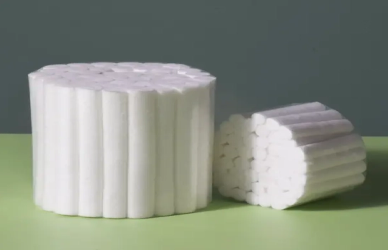
Physical Characteristics
The physical properties of medical cotton differ significantly from those of regular cotton, affecting their suitability for various uses. Key characteristics to consider include texture, softness, and absorbency.
1. Texture and Softness
Medical cotton is processed to achieve a soft, fluffy texture that is gentle on the skin. Its fine fibers are carefully cleaned and refined to avoid irritation, making it ideal for sensitive applications such as wound care and surgical use. This softness helps minimize patient discomfort and reduces the risk of abrasions.
In contrast, regular cotton may have a coarser texture due to less thorough processing. It can contain residual impurities such as seed particles or dust, which can cause irritation or allergic reactions when applied directly to the skin.
2. Absorbency
Absorbency is a crucial factor for cotton used in medical contexts. Medical cotton is engineered to be highly absorbent, capable of quickly soaking up fluids like blood, pus, or antiseptics. This property aids in effective wound management and helps maintain a clean, dry environment for healing.
Regular cotton generally has lower absorbency, as it is not specifically treated or designed for medical use. This makes it less effective in managing fluids and unsuitable for tasks requiring high moisture control.
3. Lint-Free Quality
Another important feature of medical cotton is its lint-free nature. During processing, fibers that tend to shed lint are removed, preventing cotton particles from sticking to wounds or surgical sites, which could cause complications.
Regular cotton often releases lint or loose fibers, posing risks in medical applications where cleanliness and contamination control are critical.
Packaging and Storage
Packaging and storage play a vital role in maintaining the quality and safety of medical cotton, distinguishing it clearly from regular cotton products.
1. Medical Cotton: Packaged in Sterile, Sealed Conditions
Medical cotton is carefully packaged in sterile, sealed containers or pouches immediately after sterilization. This packaging prevents contamination from bacteria, dust, and other external factors during transportation and storage. The sealed environment ensures that the cotton remains sterile until it is opened for use, which is crucial for maintaining patient safety, especially in surgical or wound care settings.
2. Regular Cotton: Bulk Packaging, Not Sterile
In contrast, regular cotton is usually packaged in bulk and without sterile sealing. It may be wrapped in plastic bags, boxes, or simply bundled together for retail sale or industrial use. Since regular cotton is not intended for medical purposes, sterility is not a concern, and the packaging mainly serves to protect the cotton from physical damage rather than microbial contamination.
3. Impact on Shelf Life and Usability
The sterile packaging of medical cotton significantly extends its shelf life by protecting it from moisture, dust, and microorganisms that could compromise its safety and effectiveness. This makes medical cotton suitable for long-term storage in hospitals, clinics, and emergency kits without losing its sterile status.
Choosing the right type of cotton is crucial for safety and effectiveness.
Medical Cotton: Healthcare Uses
Medical cotton is sterile and pure, used in wound care, surgical prep, injections, and personal hygiene. It absorbs fluids well and prevents infection.
Regular Cotton: Everyday Uses
Regular cotton is unsterilized and used mainly in textiles, household cleaning, and crafts. It is not suitable for medical contact.
Risks of Using Regular Cotton Medically
Regular cotton may carry bacteria, shed fibers, cause allergies, and lacks absorbency. Using it for medical purposes risks infection and poor healing.
Cost Differences
1. Price Comparison Between Medical-Grade and Regular Cotton
Medical-grade cotton typically costs more than regular cotton due to the extensive purification, sterilization, and quality control processes involved in its production. These additional steps increase manufacturing expenses, reflected in the higher market price.
2. Value Proposition of Medical Cotton in Healthcare Settings
Despite the higher cost, medical cotton offers significant value in healthcare by ensuring sterility, patient safety, and treatment effectiveness. Its use reduces risks of infection and complications, potentially lowering overall medical costs associated with extended care or hospital stays. Thus, investing in medical cotton is cost-effective for medical facilities aiming for high-quality patient outcomes.
Conclusion
Medical cotton differs greatly from regular cotton in terms of sterility, processing, and intended use. Its strict purification and sterilization make it essential for safe wound care, surgical procedures, and infection prevention in healthcare. Regular cotton, lacking these medical standards, is only suitable for everyday non-medical uses.
Choosing the right type of cotton is vital for patient safety and effective treatment. For reliable, high-quality medical cotton products, we recommend exploring the offerings from Taizhou Rich Medical Products Co., Ltd. Their wide range of sterile medical cotton solutions meets diverse healthcare needs and ensures the highest standards of safety and performance.
To learn more or request product details, please visit their website www.tzrichmed.com or contact their professional team. Investing in quality medical cotton from a trusted supplier like Taizhou Rich Medical can make a significant difference in healthcare outcomes.


