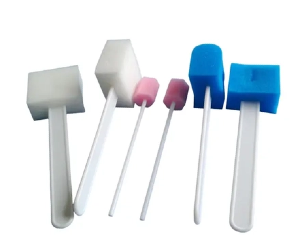
In today’s demanding healthcare and laboratory environments, maintaining the highest standards of cleanliness and sterility is not optional—it’s essential. Whether in a busy hospital, a specialized surgical suite, or a high-tech diagnostic lab, preventing contamination is critical to protecting patients, staff, and the integrity of experimental results. This is where dedicated, thoughtfully designed cleaning tools make a significant difference. Among these, the sponge clean stick stands out as a remarkably simple yet highly effective instrument. Its unique structure allows for precise, hygienic cleaning and solution application, ensuring that even the most sensitive tasks can be performed with confidence.
Why specialized tools are needed for precise cleaning and disinfection
Unlike general cleaning tools used in homes or casual settings, the equipment used in medical and laboratory spaces must meet rigorous hygiene requirements. Even microscopic contamination can jeopardize patient safety or invalidate test results. For example, residual bacteria on a surgical instrument could lead to postoperative infections, while unnoticed traces of a reagent might compromise laboratory analyses.
Traditional cloths or large cleaning swabs often lack the finesse needed to address tight spaces or delicate surfaces. In these situations, sponge clean stick provides the targeted reach and absorbency needed to apply disinfectants or remove contaminants with surgical precision. This minimizes the risk of introducing new pathogens or residues, thereby safeguarding sterile fields and maintaining controlled environments.
Structural advantages of the sponge clean stick
So what makes the sponge clean stick so effective for healthcare and laboratory hygiene? It comes down to its smart, minimalist design.
Absorbent sponge tip for applying antiseptics and cleaning small areas
At the heart of this tool is its specialized sponge tip, typically made of medical-grade foam. This material is engineered to be both highly absorbent and non-linting, meaning it can soak up liquids like antiseptics or cleaning solutions without leaving fibers behind. When dipped into a disinfectant or cleansing fluid, the sponge head retains enough liquid to efficiently treat the target area without unnecessary dripping.
Because the sponge tip is soft yet resilient, it can conform gently to uneven surfaces, such as the grooves of a surgical instrument or the texture of a lab bench, ensuring thorough contact. This makes it ideal for wiping small, hard-to-reach spots that might otherwise harbor dangerous pathogens.
Lightweight plastic handle for precise control and reduced contact contamination
Equally important is the stick’s lightweight plastic handle, which provides excellent maneuverability. In clinical and lab environments, operators often wear gloves, which can reduce tactile sensitivity. A well-designed sponge clean stick compensates for this by offering an ergonomic grip that allows for delicate, controlled movements.
Additionally, the handle’s length keeps the user’s hands at a safe distance from the area being cleaned, minimizing the risk of direct contamination. In some designs, the handle may be slightly flexible, further enhancing the ability to navigate around angles or under instrument edges without losing control.
Primary applications in medical settings
Cleaning and preparing surgical instruments and diagnostic devices
Sterilization of instruments isn’t only about autoclaving; thorough pre-cleaning plays a critical role in removing organic residues and preparing items for more intensive sterilization. A sponge clean stick is frequently used to carefully wipe down small crevices in forceps, clamps, or endoscopic tools. Because it’s soft yet effective, it can dislodge and absorb contaminants without scratching delicate surfaces, which is especially important for optical instruments and devices with precision joints. The sponge’s absorbent properties help pick up microscopic debris and residues that could otherwise harbor harmful microbes.
Similarly, diagnostic tools such as ultrasound probes, scopes, and handheld analyzers often require targeted cleaning. The sponge tip easily fits into ports, around control buttons, and along narrow seams, ensuring comprehensive sanitation even in areas that are difficult to reach with larger wipes or cloths. By using a sponge clean stick, medical staff can maintain the integrity and cleanliness of sensitive diagnostic equipment, ultimately improving patient safety and prolonging the life of these costly devices.
Applying antiseptics to skin or small wounds
In hospitals, clinics, and even field medical settings, the sponge clean stick is widely employed to apply antiseptic solutions directly to a patient’s skin before minor procedures. Whether preparing an injection site, disinfecting around a catheter insertion point, or treating a small laceration, these sticks allow for precise placement of disinfectants, minimizing solution waste and ensuring the exact area is thoroughly prepped.
Unlike cotton balls or gauze, which can sometimes shed fibers or absorb unevenly, the sponge clean stick maintains a consistent, controlled saturation. This means it applies just the right amount of antiseptic, reducing drip or overflow and creating a cleaner, more professional result.
Typical uses in laboratories
Cleaning minor spills and bench-top residues
Laboratory benches, fume hoods, and equipment surfaces routinely encounter small spills, whether from chemical reagents, biological samples, or everyday solvents. Instead of reaching for bulky disposable wipes or risking contamination by reusing cloths, technicians can turn to a sponge clean stick to efficiently handle these localized cleanups. Its small, highly absorbent sponge tip is perfect for blotting up liquids in tight or awkward spots, such as the corners of a bench or the seams of an instrument casing.
Because the sponge minimizes smearing, it effectively contains spills, preventing them from spreading to adjacent surfaces. This is especially critical when dealing with hazardous, reactive, or contamination-sensitive substances. By quickly absorbing and trapping these materials, the sponge clean stick aids in safe disposal and maintains the controlled conditions vital to laboratory work.
Sampling or transferring tiny amounts of solutions
Certain lab protocols demand the careful transfer of very small quantities of a reagent, or the collection of trace samples from surfaces for analysis. A sponge clean stick is uniquely suited for such precision tasks. Its sponge tip can be lightly moistened with sterile water or prepared with a specific reagent, then gently pressed against a surface to lift fine particles or absorb micro-volumes of liquid.
This approach is common in diagnostic labs conducting surface swabs to test for microbial contamination, or in quality assurance labs sampling from the seams and interiors of containers. The single-use nature of sponge clean sticks ensures that each sample is collected with a fresh, uncontaminated tool, entirely eliminating the risk of cross-contamination that might compromise results or violate strict laboratory protocols.
Why single-use design is essential
One of the defining features of a sponge clean stick is that it’s generally designed for single use. In the medical and laboratory context, this isn’t just a convenience—it’s a critical safety feature.
Reusing cleaning tools, even after rinsing or surface disinfection, can allow microorganisms or residues to persist within porous materials. This creates a hidden contamination risk that could spread pathogens or interfere with sensitive experiments. Single-use sticks eliminate this concern entirely: once the cleaning or application is complete, the tool is disposed of safely according to biohazard protocols.
This disposable approach also reduces turnaround time in busy facilities, as staff don’t need to manage complex cleaning or sterilization of reusable applicators between each task.
Conclusion
In the grand scheme of hospital or laboratory equipment, the sponge clean stick may seem like a modest tool, yet its role in maintaining strict hygiene is invaluable. From delicately wiping surgical instruments to applying antiseptics or sampling surfaces, it delivers precision and helps ensure sterility, greatly reducing cross-contamination risks. By combining a non-linting, absorbent sponge tip with an ergonomic handle, these single-use sticks safeguard patients and uphold rigorous medical and lab standards. To explore high-quality sponge clean sticks tailored for medical and laboratory needs, we recommend reaching out to Taizhou Rich Medical Products Co., Ltd., a trusted supplier dedicated to reliable hygiene solutions. Discover more or contact them directly to discuss your specific requirements.


