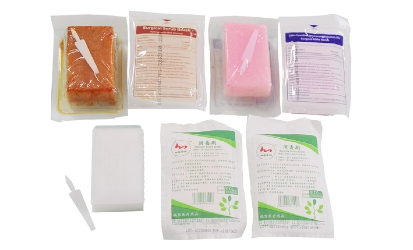
Surgical brushes play a crucial role in maintaining hygiene and safety in clinical and surgical settings. These specialized tools are used for thorough cleaning before and during medical procedures to reduce the risk of infection. Whether it’s a surgical hand washing brush, a surgical scrub brush, or a disposable surgical sponge brush, each type contributes to critical moments of hygiene compliance in healthcare environments. Their importance extends far beyond routine cleaning—they are essential in safeguarding both patients and medical professionals.
Definition of Surgical Brushes as a Product Category
A surgical brush refers to a category of cleaning tools used in healthcare settings to ensure that hands, skin surfaces, and sometimes surgical sites are properly cleaned or disinfected. They are typically used prior to surgical procedures to maintain a sterile environment. Surgical brushes are designed for high-level hygiene performance, often featuring soft bristles or sponge surfaces that are gentle on skin yet effective in removing microbes and contaminants.
Though they come in various forms—such as surgical cleaning brushes, surgical hand washing brushes, and surgical scrub brushes—they all share one goal: to enhance safety through cleanliness. Many modern options are disposable, helping reduce cross-contamination and simplify usage in fast-paced medical environments.
Main Use Cases
Preoperative Hand Antisepsis
One of the primary uses of a surgical brush is for preoperative hand antisepsis. Before entering the operating room, surgeons and medical staff must thoroughly clean their hands and forearms. This is typically done using a surgical hand washing brush or surgical scrub brush. These brushes often have soft yet effective bristles that allow users to clean beneath nails, around cuticles, and across skin surfaces where bacteria can hide. Some are preloaded with antimicrobial soap or iodine solutions, providing additional protection and reducing preparation time.
The goal of this pre-surgical scrub is to eliminate or significantly reduce the transient microbial flora and to inhibit the growth of resident flora. This is a critical practice that reduces the likelihood of surgical site infections (SSIs), which can be life-threatening.
Cleaning Around Surgical Sites
While most people associate surgical brushes with hand scrubbing, these tools are also used to clean the skin around surgical sites. Before making an incision, it’s essential to disinfect the surrounding area. A disposable surgical sponge brush is often used in these instances, allowing for gentle, controlled cleaning that doesn’t damage the patient’s skin.
Because these brushes are sterile and single-use, they help ensure the cleaning process doesn’t inadvertently introduce bacteria or other contaminants. The sponge portion of the brush distributes antiseptic evenly, preparing the skin for safe surgery.
Cleaning Under Nails and Between Fingers
Fingernails and the areas between fingers are common hiding spots for dirt and microorganisms. Even with regular handwashing, these areas can retain bacteria. A surgical hand washing brush is specifically designed to clean these difficult-to-reach zones. They often include a built-in nail cleaner or a firmer bristle section to dislodge debris from beneath the nails.
This is especially important in the medical field, where even microscopic levels of contamination can lead to infection. Medical professionals rely on high-quality surgical brushes to maintain a thorough cleaning routine that covers every part of their hands.
Surface-Level Disinfection in Minor Procedures
In addition to their use during major surgeries, surgical cleaning brushes are sometimes used for minor clinical procedures. Whether it’s cleaning a small wound area, disinfecting equipment surfaces quickly, or preparing skin for injections, these brushes provide an added layer of hygiene assurance.
Some surgical sponge brushes are pre-filled with antiseptic and can be used to clean small surfaces in outpatient or emergency room settings. Their disposable nature makes them ideal for quick use without the need for further sterilization, saving time and effort during busy hospital operations.
Who Uses Surgical Brushes
Surgeons
Surgeons are the primary users of surgical brushes. Every surgical operation begins with a strict hand-scrubbing protocol that involves the use of surgical scrub brushes. This routine ensures their hands and arms are thoroughly cleaned and free from pathogens before they come into contact with patients or sterile instruments.
Surgeons depend on these brushes to provide consistent and reliable cleaning, especially when dealing with long or complex surgeries where sterility must be maintained throughout. A compromised hand hygiene process can increase the risk of surgical site infections (SSIs), so the role of these brushes in supporting aseptic techniques is critical.
Scrub Nurses
Scrub nurses, who work directly with surgeons during procedures, also perform preoperative scrubs using surgical hand washing brushes. They must maintain the same level of cleanliness as the surgeons to prevent contamination in the sterile field. These nurses also use surgical cleaning brushes to help prepare surgical tools and ensure they remain uncontaminated during use.
In addition to hand scrubbing, scrub nurses may use antiseptic-soaked brushes to clean around the surgical site on the patient, further contributing to infection control protocols and patient safety during operations.
OR Technicians
Operating Room (OR) technicians often handle the sterilization of instruments and preparation of the surgical environment. While their contact with the patient may be limited, their role in infection prevention is crucial. They use disposable surgical sponge brushes and other cleaning tools to scrub instruments, surfaces, and sometimes even surgical drapes or covers that need to be kept sterile.
Maintaining a sterile environment through meticulous cleaning routines is essential to avoid introducing contaminants into the operating room.
Importance in Infection Prevention
Reducing Microbial Load
The primary objective of using a surgical brush is to reduce the microbial load on the skin or surfaces before a surgical or medical procedure. Even with gloves and sterilized instruments, there’s always a risk of contamination if hands or skin are not adequately cleaned. By using surgical scrub brushes, medical personnel can ensure that pathogens are minimized before contact with the patient.
The brushes not only remove dirt and oil but also physically dislodge microorganisms from the skin. When paired with antiseptic solutions like chlorhexidine or povidone-iodine, the effect is amplified, significantly lowering the risk of infection and ensuring a safer operative field. These antiseptics penetrate deeper layers of the skin, further supporting the mechanical action of the brush and providing broad-spectrum antimicrobial protection.
Enhancing Surgical Safety
Surgical cleaning brushes play a key role in enhancing surgical safety. Hospitals and clinics rely on these tools as part of their infection control protocols. Their proper use can mean the difference between a successful, infection-free surgery and one that results in complications, extended recovery time, or even secondary infections.
By incorporating disposable options—such as disposable surgical sponge brushes—facilities can further reduce contamination risks. These brushes are discarded after a single use, preventing bacteria from lingering or spreading between procedures.
In addition, because disposable brushes often come pre-sterilized and sometimes pre-soaked with antiseptics, they improve workflow efficiency. This allows medical professionals to focus more on patient care and less on preparation, ultimately supporting better clinical outcomes.
Summary
Surgical brushes are essential tools for maintaining hygiene in medical environments—from preoperative hand washing to cleaning around surgical sites. Whether it's a surgical hand washing brush or a disposable surgical sponge brush, the right tool can make a big difference in infection control. Choosing reliable, sterile, and cost-effective brushes supports both patient safety and staff efficiency.
If your facility is looking to enhance its infection prevention protocols, Taizhou Rich Medical Products Co., Ltd. offers a wide range of high-quality surgical cleaning brushes and disposable surgical scrub brushes. Their products are designed with healthcare professionals in mind—combining comfort, safety, and performance.
To learn more or request a quote, visit Taizhou Rich Medical Products Co., Ltd. today and discover dependable surgical brush solutions for your clinical needs.


