Contents
Introduction
Understanding the Core Purpose of a Dressing Kit
Medical and Clinical Applications of a Medical Dressing Kit
Role of a Dressing Kit in Surgical and Post-Operative Care
Home and Community Use: Home Care Wound Dressing Kit Scenarios
Emergency and First Aid Situations: Emergency First Aid Dressing Kit
Sterility, Safety, and Infection Control in Sterile Disposable Dressing Kits
Choosing the Right Dressing Kit for Clinics and Healthcare Settings
Conclusion
FAQ
Introduction
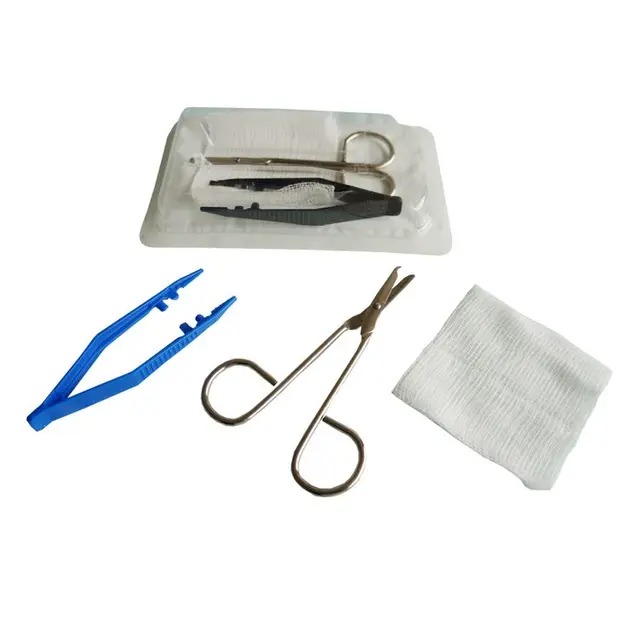
A Dressing Kit is a fundamental medical supply designed to support safe, efficient, and hygienic wound care across a wide range of healthcare environments. Its value lies not only in the materials it contains, but also in how those components are organized to streamline wound management, reduce infection risk, and improve patient outcomes. From professional clinical settings to home-based care and emergency response, dressing kits play a critical role in modern healthcare systems. Understanding what a dressing kit is used for helps medical professionals, caregivers, and patients apply it correctly and confidently in real-world situations.
Understanding the Core Purpose of a Dressing Kit
At its core, a Dressing Kit is used to clean, protect, and promote the healing of wounds. This purpose extends far beyond simply covering an injury. A well-prepared dressing kit enables structured wound care by providing all essential tools in one sterile or organized package. This minimizes unnecessary movement, reduces cross-contamination, and ensures consistent treatment standards.
The primary functions of a dressing kit include wound cleansing, absorption of exudate, protection against external contaminants, and stabilization of the affected area. In many cases, dressing kits are designed for single-use applications, ensuring that each wound is treated with uncontaminated materials. This is especially critical in high-risk environments where infection control is a top priority.
A Medical Dressing Kit also supports workflow efficiency. Healthcare professionals can focus on patient assessment and technique rather than gathering supplies. For caregivers and non-professionals, the structured nature of a dressing kit reduces errors and uncertainty during wound care.
Key functional objectives of a Dressing Kit include:
Maintaining a clean wound environment
Supporting faster, safer healing
Reducing infection and complication risks
Standardizing wound care procedures
Medical and Clinical Applications of a Medical Dressing Kit
In hospitals, outpatient centers, and primary care facilities, a Medical Dressing Kit is used as a standardized tool for routine and advanced wound management. These kits are essential for treating surgical incisions, traumatic injuries, ulcers, burns, and chronic wounds under controlled medical protocols.
Clinical environments demand consistency and compliance with hygiene standards. A dressing kit designed for Clinics ensures that every procedure follows the same safety framework. This is particularly important in settings where multiple healthcare providers treat different patients throughout the day.
Medical professionals rely on dressing kits to:
Perform wound inspections and assessments
Apply sterile dressings efficiently
Manage fluid drainage and bleeding
Prevent hospital-acquired infections
Typical Clinical Uses of a Dressing Kit
| Clinical Scenario | Purpose of the Dressing Kit |
| Outpatient wound care | Clean and re-dress minor to moderate wounds |
| Inpatient care | Support daily wound monitoring and healing |
| Chronic wound management | Maintain moisture balance and protection |
| Post-procedure care | Protect incision sites and reduce complications |
In clinical practice, a Surgical Dressing Kit may also be adapted to meet procedural requirements, ensuring compatibility with institutional protocols and patient safety guidelines.
Role of a Dressing Kit in Surgical and Post-Operative Care
One of the most critical uses of a Dressing Kit is in surgical and post-operative environments. After a procedure, the surgical site becomes highly vulnerable to infection, fluid leakage, and mechanical stress. A Dressing Kit for Post-Op Care is specifically used to manage these risks during the recovery phase.
Post-operative dressing kits are used immediately after surgery and throughout follow-up care. They allow clinicians to remove old dressings, assess wound progress, and apply new protective layers in a controlled and sterile manner.
Key post-operative uses include:
Protecting incision sites from bacteria
Absorbing post-surgical exudate
Supporting tissue healing and closure
Reducing patient discomfort during dressing changes
A Surgical Dressing Kit is especially valuable in operating rooms and recovery units because it supports strict aseptic technique. By using pre-organized kits, medical teams reduce preparation time while maintaining high standards of care.
Home and Community Use: Home Care Wound Dressing Kit Scenarios
Outside of professional healthcare facilities, a Home Care Wound Dressing Kit is used to support ongoing wound management for patients recovering at home or receiving community-based care. These kits are designed with simplicity and safety in mind, allowing non-medical users to perform effective wound care with confidence.
Home dressing kits are commonly used for:
Post-discharge recovery
Chronic wound maintenance
Elderly or mobility-limited patients
Minor injuries requiring regular dressing changes
The structured design of a dressing kit reduces the learning curve for caregivers and patients. Clear separation of components helps prevent contamination and ensures that each step of wound care is performed correctly.
In home settings, the dressing kit serves as a bridge between clinical treatment and independent care, maintaining continuity and reducing the need for frequent facility visits.
Emergency and First Aid Situations: Emergency First Aid Dressing Kit
In urgent and unpredictable situations, an Emergency First Aid Dressing Kit is used to provide immediate wound protection and bleeding control. These kits are essential in ambulances, disaster response units, workplaces, and public safety environments.
During emergencies, time and clarity are critical. A dressing kit allows responders to act quickly without searching for individual supplies. Its primary use is to stabilize the wound until advanced medical care becomes available.
Emergency applications include:
An Emergency First Aid Dressing Kit prioritizes accessibility, portability, and rapid deployment, making it a vital component of emergency preparedness strategies.
Sterility, Safety, and Infection Control in Sterile Disposable Dressing Kits
A Sterile Disposable Dressing Kit is specifically used to eliminate the risk of cross-contamination between patients and procedures. Single-use kits ensure that every wound receives fresh, uncontaminated materials, which is critical in both clinical and non-clinical settings.
Sterility is particularly important for:
Disposable kits also support regulatory compliance and simplify waste management. By eliminating the need for reprocessing or sterilization, they reduce operational burden while enhancing patient safety.
The use of sterile disposable dressing kits reflects modern healthcare’s emphasis on infection prevention and standardized care delivery.
Choosing the Right Dressing Kit for Clinics and Healthcare Settings
Selecting the appropriate Dressing Kit for Clinics depends on the specific care environment and patient needs. Clinics may require different kits for routine wound care, post-operative follow-ups, or minor procedures.
When choosing a dressing kit, healthcare providers consider:
Intended use (routine, surgical, emergency)
Level of sterility required
Frequency of dressing changes
Skill level of the user
A well-matched dressing kit improves efficiency, enhances patient outcomes, and supports consistent care standards across departments.
Conclusion
A Dressing Kit is used as a comprehensive solution for wound care across medical, surgical, home, and emergency settings. Its purpose extends beyond simple coverage to include infection control, healing support, workflow efficiency, and patient safety. Whether applied in a hospital operating room, a clinic, a home care environment, or an emergency response scenario, the dressing kit remains an indispensable tool in modern healthcare. Understanding its uses enables better decision-making, safer care delivery, and improved recovery outcomes.
FAQ
Q1: What is the main use of a Dressing Kit?
A Dressing Kit is primarily used to clean, protect, and manage wounds in a hygienic and organized manner.
Q2: Can a Dressing Kit be used at home?
Yes, a Home Care Wound Dressing Kit is specifically designed for safe and effective wound management outside clinical settings.
Q3: Why are sterile disposable dressing kits important?
Sterile Disposable Dressing Kits reduce infection risk by ensuring single-use, contamination-free wound care.
Q4: Are dressing kits suitable for emergency situations?
An Emergency First Aid Dressing Kit is essential for rapid wound stabilization and bleeding control during emergencies.
Q5: How does a dressing kit support post-operative recovery?
A Dressing Kit for Post-Op Care protects surgical sites, manages exudate, and promotes safe healing after procedures.


