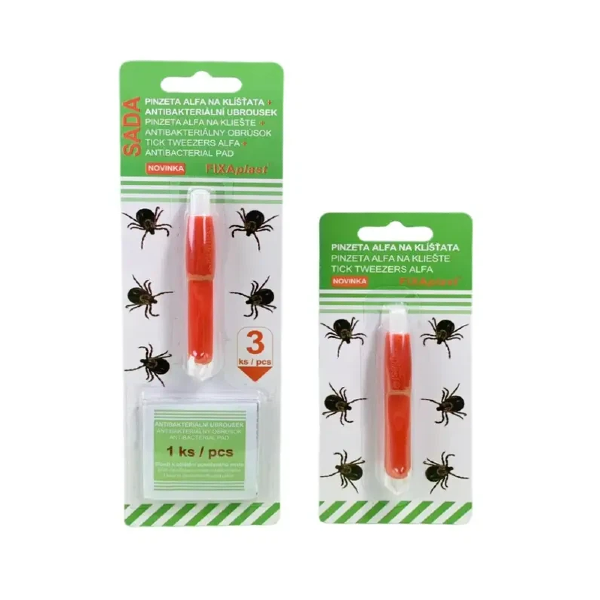
A small cotton ball, a sterile swab, or a light sample often needs to be moved without direct hand contact, and that is where a plastic tweezer becomes useful. In medical and laboratory work, this tool helps staff handle small items with better cleanliness and control. Rich Medical has focused on the production and export of medical products for more than 20 years, and this kind of product remains important because it supports practical daily work rather than serving as a simple accessory.
Where a plastic tweezer is used every day
Medical dressing and minor procedure support
One of the most common uses of a plastic tweezer is routine clinical handling. During dressing changes, wound care, and preparation for minor procedures, medical staff often need to pick up cotton balls, gauze, swabs, and other small disposable items. Using fingers is not always ideal, especially when the goal is to keep materials clean until the moment they are used.
A plastic tweezer helps create a more controlled working distance. It allows staff to lift and place light materials more accurately while reducing unnecessary contact with sterile items. In these tasks, strong gripping force is not the priority. What matters more is steady movement, easy handling, and a tip that can hold soft materials without tearing or dropping them.
Disposable plastic tweezers are especially practical in this kind of environment. They fit well into workflows where hygiene, convenience, and quick replacement are all important. That is one reason they are widely used in treatment rooms and clinical preparation areas.
Laboratory sample handling
A plastic tweezer is also useful in laboratory settings where small samples or lightweight materials need to be transferred carefully. Fingers can block visibility, apply uneven pressure, or make delicate handling less precise. A tweezer provides a narrower point of control, which makes the movement simpler and cleaner.
In bench work, that can mean moving a small sample from one area to another, separating a delicate item, or positioning something that is too small to handle comfortably by hand. The tool helps reduce unnecessary pressure and improves visibility during the task. Even a simple step becomes more controlled when the operator can see the item clearly and guide it with a precision tip instead of a full hand grip.
For labs that value clean, straightforward handling, plastic tweezers offer a practical balance of light weight, accuracy, and ease of use.
Why some tasks call for plastic instead of metal
Metal tweezers have their place, but some jobs are better suited to plastic. One clear reason is surface protection. Plastic tips are often gentler on delicate items, which helps reduce scratching, marking, or pressing too hard on a soft surface. When an item needs to be lifted rather than gripped with force, that softer contact can be an advantage.
Another reason is material behavior. Plastic is non-conductive and non-magnetic, so it can be a better option in tasks where metal may create interference or unwanted contact. This expands the usefulness of plastic tweezers beyond basic handling and gives them value in more specialized working environments as well.
Hygiene is another major advantage. Sterile and disposable options make plastic tweezers especially useful in professional settings where clean handling matters. Instead of relying on repeated reuse for every task, teams can choose a fresh tool when needed. That supports a cleaner workflow and reduces unnecessary cross-contact.
Plastic also offers comfort during routine use. Because it is lightweight, it can be easy to maneuver during repeated handling of small items. In daily work, that lighter feel can help improve control and reduce hand fatigue.
What a plastic tweezer does well in practice
Picking up cotton balls, gauze, and swabs
If the question is what a plastic tweezer is actually used for in real work, this is one of the strongest examples. Cotton balls, gauze, and swabs are light and soft. They do not require an aggressive grip. They need controlled pickup and placement.
A plastic tweezer works well here because it allows enough pressure to hold the material without flattening it or losing control. This is helpful when staff need to prepare items on a tray, move them into position, or separate them cleanly during routine care. The right tip design makes a difference, especially when the goal is smooth handling rather than force.
Handling delicate samples and small parts
Some materials are easy to damage or mark, so a gentler tool makes more sense. Plastic tweezers can be useful when handling small samples, light parts, or surfaces that should not be scratched by a harder metal edge. In these situations, the benefit is not strength. It is precision with less risk of damage.
This kind of handling is common in both medical and laboratory work. A sample may need to be transferred without changing its condition. A small item may need to be moved without slipping. A well-made plastic tweezer helps make those actions more predictable and more consistent.
Common Uses of Plastic Tweezers in Professional Settings | Why Plastic Helps | Best Tip Style or Feature | Typical Work Area |
Picking up cotton balls | Clean handling with light pressure | Fine aligned tips | Dressing station |
Moving gauze and swabs | Better control without direct hand contact | Standard precision tips | Clinic or procedure room |
Handling small lab samples | Clear visibility and gentle grip | Narrow precision tips | Laboratory bench |
Transferring delicate items | Lower risk of scratches or marks | Smooth contact tips | Sample prep area |
Working near sensitive components | Non-conductive and non-magnetic material | Precision anti-slip shape | Technical handling area |
Working around sensitive electronic components
Although the main focus of this product is medical and laboratory use, plastic tweezers can also be practical around sensitive electronic components. Because the material is non-conductive and non-magnetic, it may be preferred in tasks where metal tools are less suitable.
This is not the primary use for every customer, but it is a useful added application. It shows that the advantages of plastic are not limited to hygiene alone. Material properties can also help support safer handling in more delicate technical work.
When another tool makes more sense
Tasks that need stronger grip or higher heat resistance
A plastic tweezer is not the right answer for every task. Some jobs require stronger grip, greater rigidity, or better resistance to heat. If an object is heavy, difficult to hold, or exposed to high temperatures, another material may be more suitable.
This does not reduce the value of plastic tweezers. It helps define where they perform best. They are designed for clean, light, controlled handling rather than high-force gripping. Understanding that difference helps customers choose the right tool for the job and gives the article a more honest answer to the title.
In everyday medical and laboratory settings, many tasks fall well within the strengths of plastic. Dressing materials, light samples, and delicate items often benefit more from precision and gentleness than from force.
Why this matters to buyers and users
People search for this topic because they want a practical answer, not just a definition. They want to know whether a plastic tweezer fits real work. In many cases, it does. If the task involves hygiene, small-item handling, or controlled placement, this tool can be a useful option.
For buyers, the value is in matching the product to daily use. A lightweight tool may still be the best professional choice if it improves handling of gauze, swabs, cotton balls, or delicate samples. For users, the benefit is smoother work. Better control, less direct contact, and more predictable movement all support more efficient routines.
Rich Medical understands that practical value matters more than broad claims. Product consistency, clean production conditions, and medical-use experience all influence whether a simple tool performs well in real environments.
Conclusion
A plastic tweezer is used for clean, precise handling in medical, laboratory, and other delicate professional tasks where direct hand contact is not ideal. Its value comes from supporting controlled movement, cleaner workflows, and gentler handling of small items such as cotton balls, gauze, swabs, and light samples. Rich Medical applies years of medical product manufacturing experience to meet those daily needs with reliable product quality and export-focused service. If you are reviewing medical plastic tweezers for clinical or laboratory use, contact us to learn more about the right option for your application.
FAQ
What is a plastic tweezer mainly used for in clinics?
It is mainly used to handle cotton balls, gauze, swabs, and other small items during dressing changes, preparation work, and minor procedures where cleaner contact and better control are needed.
Are plastic tweezers suitable for laboratory work?
Yes. They are useful for transferring small samples, positioning lightweight materials, and handling delicate items that are difficult to pick up accurately by hand.
Why choose plastic tweezers instead of metal ones?
Plastic tweezers can be better for tasks that need gentler contact, reduced scratch risk, non-conductive handling, or disposable use in cleaner workflows.
Do disposable plastic tweezers help with hygiene?
Yes. Disposable plastic tweezers can support cleaner routines by reducing repeated tool contact and making it easier to use a fresh item when required.


