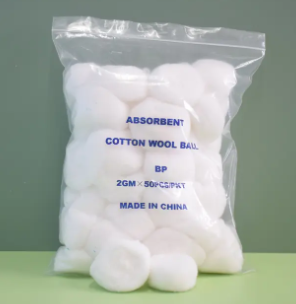
Cotton balls are essential items used in households, medical settings, and beauty routines. But have you ever wondered how they're made? The manufacturing process of cotton balls involves precise machinery and strict quality control.
In this article, we will explore how cotton balls are produced and why quality control is vital in ensuring their consistency and safety. You'll learn about each step in the cotton ball production process and the role of quality assurance.
Raw Materials in Cotton Ball Manufacturing
Before diving into the machinery and techniques used in cotton ball manufacturing, it's important to understand the raw materials used in production. The quality of the final product is heavily influenced by the materials selected at this stage.
Cotton Fiber Selection
The primary raw material for cotton balls is cotton itself. Cotton fibers are selected based on their quality, softness, and absorbency. The cotton must be free from impurities such as seeds, dirt, and other contaminants to ensure a clean and sterile product. Long-staple cotton is often preferred because it produces stronger, more uniform fibers that are ideal for medical or cosmetic use.
Materials for Cotton Swab Sticks
The sticks that hold the cotton are typically made from three main materials: paper, plastic, and wood. Each material is selected based on the intended use of the cotton ball. For example, medical cotton balls often use wood or paper sticks, as they are biodegradable and sterile. Plastic sticks are commonly used for cosmetic cotton swabs due to their strength and durability.
Adhesives Used in Cotton Ball Production
To secure the cotton onto the sticks, a food-grade adhesive is applied. The adhesive plays a crucial role in ensuring that the cotton remains firmly attached during use. The type of adhesive used must meet safety standards to prevent any harmful chemical exposure, especially for medical or cosmetic products.
The Cotton Ball Production Process
Understanding the cotton ball production process is crucial to appreciating the level of precision involved in manufacturing. The process involves several stages, from raw material preparation to the final packaging of the cotton balls.
Step 1: Cotton Stick Production
Paper/Plastic Cotton Swab Stick Production
For paper cotton swabs, the sticks are coiled and cut to the desired length. The paper is typically rolled into a thin tube, which is then shaped into sticks. Plastic cotton swabs, on the other hand, are extruded through a mold, creating uniform sticks ready for use.
Wooden Stick Production
Wooden cotton swab sticks are cut from thin wooden dowels to precise lengths. The wood is often processed to remove any rough edges and ensure a smooth finish, making it safe and comfortable for use in medical or cosmetic applications.
Step 2: Swab Application
In this stage, the cotton swab machine takes the prepared sticks and feeds them into an automated assembly line. High-speed spindles rotate rapidly, winding the cotton fibers around the ends of the sticks. The cotton must be tightly wound and evenly distributed to maintain a uniform look and feel.
A fine adhesive mist is then applied to ensure that the cotton fibers remain securely attached to the stick. This step is crucial for ensuring the cotton balls stay intact during use, without the cotton fibers falling off or becoming loose.
Step 3: Shaping and Polishing
Once the cotton has been applied, excess fibers are trimmed to create a smooth and uniform surface. Some machines use heated rollers to compress the cotton, ensuring that the swabs hold their shape and do not lose their integrity. This step is key to achieving the perfect cotton ball that is soft, uniform, and functional.
Step 4: Sterilization and Packaging
Sterilization is a crucial step in the cotton ball production process, especially for medical-grade products. Cotton balls are sterilized using either UV radiation or chemical treatments to eliminate any bacteria or impurities. Once sterilized, the cotton balls are automatically counted and packaged into boxes or plastic containers, ready for distribution.
Importance of Quality Control in Cotton Ball Manufacturing
Quality control is essential to ensure that cotton balls meet safety, hygiene, and performance standards. Any defect in the production process can lead to product failures and pose a risk to end users.
Quality Standards for Cotton Balls
To meet industry standards, cotton balls must comply with regulations set by authorities such as the FDA, CE, or ISO. These standards ensure that the cotton balls are safe for use in medical, cosmetic, or household applications. Quality control ensures the cotton balls are free from harmful chemicals, contaminants, and defects.
Defect Detection and Monitoring
Modern cotton ball manufacturing lines are equipped with advanced sensors to detect defects in real-time. These sensors can identify issues such as loose cotton fibers, misaligned cotton balls, or imperfections in the cotton’s density. By using automated defect detection, manufacturers can ensure that only the highest-quality products make it to the packaging stage.
Role of Automation in Quality Assurance
Automation plays a significant role in maintaining consistent quality throughout the production process. Machines equipped with precision winding mechanisms and quality control sensors can continuously monitor and adjust the manufacturing process to ensure that each cotton ball meets the required standards. This automation reduces the risk of human error and enhances production efficiency.
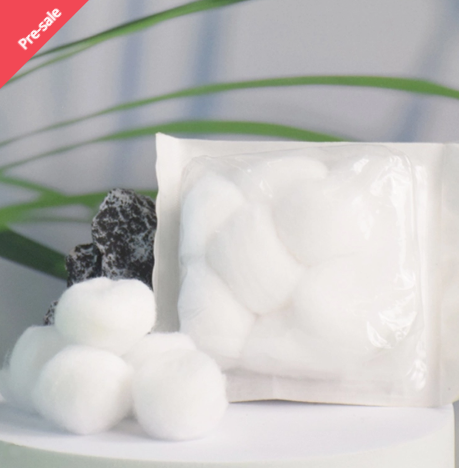
Types of Cotton Ball Manufacturing Machines
Different types of cotton ball manufacturing machines are used to meet varying production needs. These machines range from fully automated systems for large-scale operations to semi-automatic machines for smaller businesses.
Fully Automatic Cotton Ball Machines
Fully automatic machines handle everything from feeding the sticks to winding the cotton and packaging the final product. These machines are ideal for large-scale manufacturing operations where high output is required. They are efficient, precise, and reduce the need for human intervention.
Semi-Automatic Cotton Ball Machines
Semi-automatic machines require some manual intervention, such as loading the sticks onto the production line. While they may not be as fast or efficient as fully automated machines, they are often more affordable and suitable for smaller-scale businesses or startups.
Medical-Grade Cotton Ball Machines
Medical-grade cotton ball machines include additional sterilization steps to ensure the final product meets stringent hygiene standards. These machines are designed to produce cotton balls that can be used in hospitals, clinics, and other medical settings where sterility is of the utmost importance.
Key Features to Look for in Cotton Ball Manufacturing Machines
Speed and Efficiency
One of the most important features of a cotton ball machine is its speed. High-speed production capabilities enable manufacturers to produce large quantities of cotton balls within a short period. Efficiency is key to maintaining profitability in a competitive market.
Precision and Consistency
Precision winding mechanisms ensure that the cotton is evenly applied to the sticks, leading to uniform cotton balls. Consistency in product quality is critical, particularly for medical-grade cotton balls.
Customization and Flexibility
Some machines offer adjustable settings for swab length and cotton density. This customization is useful for manufacturers who wish to produce different sizes or types of cotton balls based on customer requirements.
Choosing the Right Cotton Ball Manufacturing Machine
Factors to Consider
When choosing a machine, consider factors such as production capacity, material compatibility, and the level of automation required. Machines that comply with relevant hygiene and safety standards are also crucial, particularly for medical-grade products.
Cost vs. Quality Trade-Offs
While fully automated machines offer high production speeds, they come with a higher upfront cost. Consider your business needs and budget before making a decision. Semi-automatic machines are a more cost-effective option for smaller businesses but may require more manual labor.
Conclusion
The cotton ball manufacturing process is intricate, requiring precision machinery to produce high-quality products. Quality control is crucial for maintaining safety and performance standards. By understanding this process and selecting the right machinery, manufacturers can optimize production to meet consumer demand and regulatory standards.
For businesses looking for reliable cotton ball solutions, RICH MEDICAL provides high-quality cotton balls that offer both safety and consistency in use. Their products are designed to meet stringent industry requirements, ensuring value for healthcare and personal care needs.
FAQ
Q: What is the cotton ball production process?
A: The cotton ball production process involves several steps, including stick preparation, cotton application, shaping, and sterilization. Each step is designed to ensure uniformity, hygiene, and quality control.
Q: Why is quality control important in cotton ball manufacturing?
A: Quality control ensures that cotton balls meet safety and performance standards, preventing defects like loose cotton and ensuring consistent product quality for medical and household use.
Q: How are cotton balls made?
A: Cotton balls are made by winding high-quality cotton around sticks, followed by sterilization and packaging. The process ensures that each cotton ball is soft, safe, and suitable for various uses.


