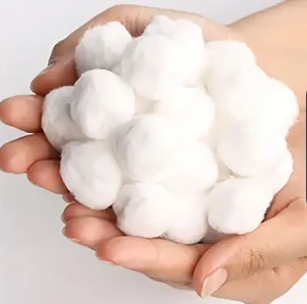
Cotton balls play a vital role in healthcare, essential for patient care. But choosing the right one can impact the success of a procedure. This guide will walk you through the selection process. In this article, you will learn about the different types of cotton balls, key properties to consider, and tips for making the best choice.
Understanding the Different Types of Medical Cotton Balls
The first step in selecting the right cotton ball is understanding the available types. Different types of cotton balls are designed for specific medical uses, and each has distinct characteristics that make it suitable for particular applications.
Sterile Cotton Balls
Sterile cotton balls are individually packaged and sterilized to ensure that they are free from any contaminants, making them suitable for use in sterile medical environments.
When to Use: Sterile cotton balls are essential for wound care, surgical procedures, and any other application where cleanliness and sterility are critical.
Benefits: They provide a high level of infection control by reducing the risk of contamination.
Example Use: Applying antiseptics to open wounds, preparing surgical sites.
Non-Sterile Cotton Balls
Non-sterile cotton balls are typically used in less critical medical tasks where sterility is not a major concern.
When to Use: They are commonly used for general cleaning, applying topical medications, and absorbing bodily fluids during less invasive procedures.
Benefits: Cost-effective for general purposes.
Example Use: Cleaning wounds, applying lotions or ointments to skin.
Hydrophilic Cotton Balls
Hydrophilic cotton balls have enhanced absorbency compared to regular cotton balls. This makes them ideal for procedures requiring high fluid absorption.
When to Use: In procedures where large amounts of fluid need to be absorbed quickly, such as during dental or surgical procedures.
Benefits: Greater absorbency means fewer cotton balls are needed during the procedure, improving efficiency.
Example Use: Absorbing blood during dental surgeries or other procedures with high fluid exposure.
Antiseptic-Infused Cotton Balls
Pre-soaked in antiseptic solutions, these cotton balls are designed for quick and consistent application of antiseptic to the skin.
When to Use: Ideal for quick antiseptic application during wound care or before injections.
Benefits: Saves time and ensures a uniform application of antiseptic.
Example Use: Preparing the skin before an injection or minor surgical procedure.
Key Properties to Consider When Selecting Medical Cotton Balls
Selecting the right medical cotton ball involves more than just choosing the right type. You also need to consider important properties such as absorbency, purity, and softness.
Absorbency
Absorbency is one of the most important features of medical cotton balls. A cotton ball’s ability to absorb fluids quickly and efficiently impacts its effectiveness during medical procedures.
Why It Matters: High absorbency cotton balls are crucial for procedures like wound care or fluid absorption during surgeries. The quicker the cotton ball absorbs, the more effective it is at maintaining a dry and clean surface.
How to Choose: Hydrophilic cotton balls are the best choice for high-absorbency needs, as they are designed to absorb larger quantities of fluid without breaking apart.
Purity and Hypoallergenic Features
Medical-grade cotton balls are processed to remove impurities, ensuring they are safe for use in medical settings. They are also hypoallergenic, minimizing the risk of irritation or allergic reactions in patients.
Why It Matters: Cotton balls must be free from contaminants such as pesticides, chemicals, or bacteria, which could lead to infections or irritations in sensitive patients.
How to Choose: Look for cotton balls that meet US Pharmacopeia (USP) standards, which ensure a high level of purity and safety for medical use.
Softness and Durability
Medical cotton balls must be soft to avoid irritating the skin or tissues, but also durable enough to withstand the rigors of medical procedures.
Why It Matters: Cotton balls that are too rough can cause discomfort during use, while those that are too fragile may tear or shed during procedures.
How to Choose: Opt for high-quality cotton balls that maintain a balance between softness and durability. Quality cotton balls will not tear or leave lint behind.
How to Choose the Right Cotton Ball Size and Packaging
Choosing the Right Size for Different Applications
Cotton balls come in various sizes, and selecting the right size depends on the specific task at hand.
Smaller Cotton Balls: Ideal for precise applications, such as cleaning small wounds or applying topical treatments.
Larger Cotton Balls: Better suited for tasks that require higher absorbency or a larger surface area, such as absorbing fluids during surgical procedures.
Medium Cotton Balls: These are versatile and can be used for a wide range of applications, making them a popular choice for many healthcare settings.
Packaging Considerations for Convenience and Safety
Proper packaging ensures that cotton balls remain sterile until use, maintaining their safety and effectiveness.
Individually Wrapped: Sterile cotton balls are typically individually wrapped to prevent contamination.
Bulk Packaging: Non-sterile cotton balls are often sold in bulk packages for convenience, but care should be taken to ensure proper handling and storage.
Key Factors to Consider in Medical Cotton Ball Selection
Selecting medical cotton balls involves evaluating several factors beyond just type and size. Considerations such as compliance with regulations, environmental impact, and supplier reliability play an important role in ensuring the safety and effectiveness of the cotton balls you choose.
Compliance with US Pharmacopeia (USP) Standards
Medical cotton balls must meet strict standards to ensure they are safe and effective for patient use. The US Pharmacopeia (USP) sets these standards, which include requirements for purity, absorbency, and other key properties.
Why It Matters: Cotton balls that meet USP standards are guaranteed to be free from harmful contaminants and to perform effectively in medical environments.
How to Choose: Look for products that explicitly state their compliance with USP standards, ensuring their reliability in healthcare settings.
Environmental Impact and Sustainability
As sustainability becomes an increasingly important consideration in healthcare, choosing environmentally friendly cotton balls is a responsible option.
Why It Matters: Sustainable cotton production reduces environmental impact and supports ethical farming practices.
How to Choose: Look for suppliers who emphasize sustainable sourcing and eco-friendly manufacturing processes in their cotton ball products.
The Importance of Proper Storage and Handling
Storing Cotton Balls to Prevent Contamination
Medical cotton balls should be stored in a dry, cool environment to prevent contamination and degradation.
Why It Matters: Moisture and heat can compromise the integrity of the cotton balls, leading to mold growth or contamination.
How to Choose: Ensure cotton balls are stored in airtight, protective packaging until use. Do not open the packaging until immediately before use.
Handling Cotton Balls Safely in Medical Settings
Cotton balls should be handled with clean hands or sterile instruments to minimize the risk of contamination.
Why It Matters: Proper handling reduces the chances of introducing harmful bacteria or other pathogens to the patient.
How to Choose: Use sterile forceps or gloved hands to handle cotton balls, especially when used in sterile environments.
Conclusion
Selecting the right medical cotton ball is essential for patient safety and comfort. Factors like type, absorbency, size, and packaging play a crucial role in making informed decisions. Choosing high-quality, compliant, and eco-friendly cotton balls from reputable suppliers like RICH MEDICAL ensures healthcare settings meet the highest standards. Their products are designed to optimize patient care and procedural efficiency.
RICH MEDICALoffers top-tier cotton balls that cater to various medical needs. You can explore their high-quality options for your practice at RICH MEDICAL.
FAQ
Q: What are cotton balls used for in medical settings?
A: Cotton balls are commonly used for cleaning wounds, applying antiseptics, and absorbing fluids during medical procedures.
Q: How do I choose the right cotton balls for medical use?
A: Consider factors like absorbency, sterility, size and material. A medical cotton ball selection guide can help you make informed decisions.
Q: Are medical cotton balls hypoallergenic?
A: Yes, medical cotton balls are typically hypoallergenic and made from pure cotton to minimize skin irritation and allergic reactions.