Contents
Introduction
Understanding Why Proper Dressing Changes Matter at Home
What a Dressing Kit Should Contain for Safe Home Use
Preparing a Clean and Safe Environment Before Changing a Dressing
Step-by-Step Guide to Changing a Wound Dressing Safely
Common Mistakes to Avoid When Using a Dressing Kit at Home
How to Monitor Healing and Know When to Seek Medical Help
Special Considerations for Different Types of Wounds
Conclusion
FAQ
Introduction
Changing a wound dressing at home is a critical part of daily health management, especially for individuals recovering from injuries, surgical procedures, or chronic wounds. When performed correctly, proper dressing changes reduce infection risk, support faster healing, and protect vulnerable tissue during recovery. Using a well-prepared Dressing Kit and following a structured process allows home caregivers and patients to achieve professional-level wound care without unnecessary complications. This guide focuses exclusively on safe, practical, and repeatable methods for changing wound dressings at home using Medical Dressing Kit solutions designed for reliability and hygiene.
Understanding Why Proper Dressing Changes Matter at Home
Safe wound dressing changes are not just about cleanliness; they are about protecting the body’s natural healing process. When wounds are improperly handled, bacteria can enter exposed tissue, slowing recovery or causing infection. A properly used Home Care Wound Dressing Kit acts as a controlled barrier between the wound and external contaminants.
At home, people often underestimate the importance of consistency and technique. Unlike clinical settings, household environments contain uncontrolled microbes, pets, dust, and fluctuating temperatures. This is why Sterile Disposable Dressing Kit components play such a crucial role in maintaining hygiene during dressing changes. Each dressing replacement resets the wound environment, allowing moisture balance, oxygen flow, and tissue regeneration to continue uninterrupted.
For individuals managing wounds after surgery, Dressing Kit for Post-Op Care routines help prevent reopening of incisions and minimize scarring. In these cases, careful handling is essential to avoid disturbing sutures or healing tissue. Even small lapses—like touching sterile gauze with bare hands—can compromise recovery.
Proper dressing changes also empower patients. Understanding what is normal during healing versus warning signs builds confidence and reduces unnecessary emergency visits. With the right Medical Dressing Kit, home wound care becomes safer, more predictable, and less stressful.
What a Dressing Kit Should Contain for Safe Home Use
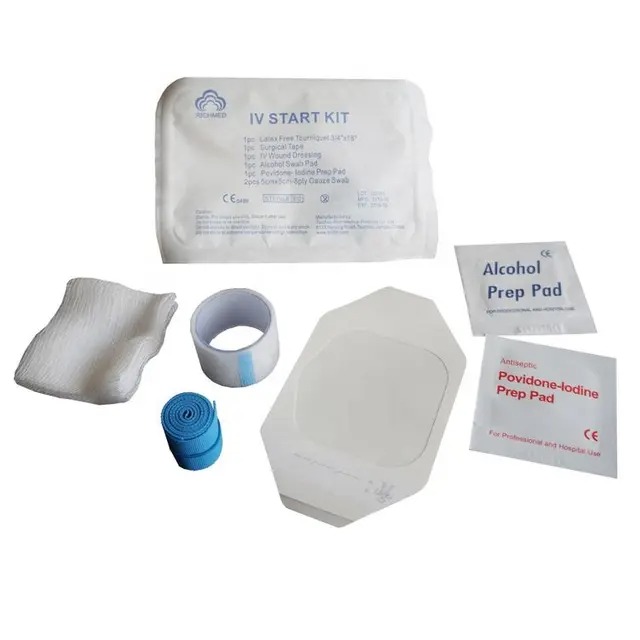
A complete Dressing Kit is the foundation of effective wound care at home. While contents may vary depending on wound type, certain core items are essential to ensure safety and consistency. A well-organized Emergency First Aid Dressing Kit or Surgical Dressing Kit minimizes improvisation and reduces contamination risk.
Below is a comparison of essential components and their purposes:
| Component | Purpose | Why It Matters at Home |
| Sterile gloves | Prevent direct contact with wound | Reduces bacteria transfer |
| Sterile gauze pads | Cover and absorb wound exudate | Maintains clean healing surface |
| Adhesive tape or bandage | Secure dressing in place | Prevents movement and exposure |
| Saline or wound cleanser | Clean wound gently | Avoids tissue irritation |
| Scissors (sterile or clean) | Cut dressings to size | Ensures proper fit |
| Disposal bag | Safe waste removal | Prevents household contamination |
Using a Sterile Disposable Dressing Kit ensures that each dressing change starts with uncontaminated materials. This is especially important for individuals with weakened immune systems or slow-healing wounds.
For ongoing recovery, such as after operations, a Dressing Kit for Clinics-level setup adapted for home use provides consistency between professional and home care. Having all supplies in one dedicated container also reduces the temptation to substitute unsafe household items.
Preparing a Clean and Safe Environment Before Changing a Dressing
Preparation is often the most overlooked step in home wound care, yet it has a direct impact on outcomes. Before opening a Home Care Wound Dressing Kit, the surrounding environment must be controlled as much as possible.
Start by choosing a clean, well-lit area away from kitchens, bathrooms, or pet activity. Disinfect the surface where supplies will be placed. Wash hands thoroughly with soap and water for at least 20 seconds, then dry them completely before putting on sterile gloves from your Medical Dressing Kit.
All materials should be opened only when needed. Leaving sterile items exposed increases contamination risk. If the wound is painful or sensitive, positioning the body comfortably beforehand prevents sudden movement during the dressing change.
Preparation also includes mental readiness. Rushing increases mistakes. Having a step-by-step plan ensures each part of the Dressing Kit is used correctly and in the right order. For post-surgical wounds, this preparation stage is especially critical, as improper handling may disrupt healing tissue.
A calm, organized environment mirrors professional care standards and significantly improves safety when managing wounds independently at home.
Step-by-Step Guide to Changing a Wound Dressing Safely
Following a consistent sequence when using a Dressing Kit ensures that no critical step is missed. The process below applies to most non-complex wounds and aligns with best practices used in Surgical Dressing Kit protocols adapted for home care.
First, gently remove the old dressing. If it sticks, moisten it with saline rather than pulling, which can damage healing tissue. Observe the wound for changes in color, odor, or discharge. Dispose of the old dressing immediately in a sealed bag.
Next, clean the wound using sterile saline from your Emergency First Aid Dressing Kit. Wipe outward from the center using sterile gauze, avoiding repeated contact with the same pad. Allow the area to air dry briefly unless instructed otherwise by a healthcare professional.
Apply the new dressing using sterile gauze or pads from your Sterile Disposable Dressing Kit. Ensure it fully covers the wound without excessive pressure. Secure it with tape or a bandage, making sure circulation is not restricted.
Finally, remove gloves and wash hands again. Document any changes if the wound requires monitoring. This systematic approach reduces infection risk and supports predictable healing at home.
Common Mistakes to Avoid When Using a Dressing Kit at Home
Even with a high-quality Dressing Kit, improper habits can compromise safety. One frequent mistake is reusing items intended for single use. Sterile Disposable Dressing Kit components lose sterility once opened and should never be reused.
Another common error is over-cleaning. Excessive scrubbing or harsh solutions can damage new tissue and delay healing. Using only appropriate cleansers included in a Medical Dressing Kit helps maintain the wound’s natural balance.
Ignoring signs of infection is also risky. Redness, warmth, swelling, or increasing pain should not be dismissed as normal healing. A Home Care Wound Dressing Kit supports daily care, but it does not replace professional assessment when warning signs appear.
Finally, poor storage of supplies can negate their benefits. Dressing materials should be kept in a dry, clean location, away from moisture and heat. Proper handling ensures your Dressing Kit for Post-Op Care remains effective throughout the recovery period.
Special Considerations for Different Types of Wounds
Not all wounds heal the same way, and dressing strategies should adapt accordingly. Surgical wounds often require non-adherent dressings to protect incisions, making a Surgical Dressing Kit essential for home recovery. Pressure ulcers and chronic wounds may need moisture-balancing dressings and more frequent monitoring.
Minor cuts and abrasions benefit from lightweight coverage found in an Emergency First Aid Dressing Kit, while deeper wounds may require layered protection. Individuals with diabetes or circulation issues should be particularly cautious, as delayed healing increases infection risk.
For each wound type, selecting the right Dressing Kit and adjusting frequency and technique ensures optimal outcomes. Home care becomes safer when dressing choices reflect wound characteristics rather than convenience.
Conclusion
Changing a wound dressing safely at home is a skill that combines preparation, proper technique, and the right tools. A thoughtfully assembled Dressing Kit supports hygiene, reduces infection risk, and promotes steady healing across a wide range of wound types. By understanding how to prepare the environment, follow a structured process, and recognize warning signs, home caregivers and patients can confidently manage wound care outside clinical settings. Consistency, cleanliness, and attention to detail transform routine dressing changes into a powerful part of recovery.
FAQ
Q1: How often should I change a wound dressing at home?
The frequency depends on the wound type, amount of drainage, and medical advice. Many wounds require daily changes using a Home Care Wound Dressing Kit, while others may need less frequent replacement.
Q2: Can I use household items instead of a proper Dressing Kit?
Household substitutes increase contamination risk. A dedicated Medical Dressing Kit provides sterile, purpose-designed components that support safe healing.
Q3: What should I do if the wound looks worse after changing the dressing?
Signs such as increased redness, swelling, or discharge require professional evaluation. A Dressing Kit for Clinics standard setup at home supports care but does not replace medical diagnosis.
Q4: Are Sterile Disposable Dressing Kits necessary for minor wounds?
Yes. Even small wounds benefit from Sterile Disposable Dressing Kit use, as sterility significantly lowers infection risk.


