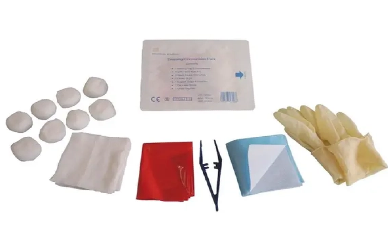
When it comes to wound care, choosing the right tools for the job is essential to ensure proper healing and avoid complications. Dressing kits are widely used for managing wounds, preventing infection, and promoting faster healing. These kits come in various forms, each designed to meet the specific needs of different types of wounds. But one of the most common questions when using a dressing kit is whether these kits are single-use or reusable. The answer depends on the materials, purpose, and the type of wound being treated. This article will explore the differences between single-use and reusable dressing kits, the factors that influence their use, and the best practices for utilizing both types. Understanding these differences can help you make an informed decision and ensure that your wound care is as effective and efficient as possible.
1.The Purpose of Dressing Kits
Dressing kits are a collection of supplies designed to cover and protect wounds. These kits typically include items such as sterile gauze, bandages, antiseptic wipes, adhesive tape, and sometimes more advanced dressings like hydrocolloids or foam dressings. The primary purpose of dressing kits is to help wounds heal by keeping them clean, protected, and free from infection.
Knowing whether a dressing kit is single-use or reusable is crucial for maintaining proper hygiene and ensuring that the wound heals effectively. Understanding the characteristics and appropriate use of both types of kits can help in selecting the best option for wound care.
2.Single-Use Dressing Kits: Definition and Benefits
What Makes a Dressing Kit Single-Use?
A single-use dressing kit is designed for one-time use. The components in these kits are sterile when they are first opened and are intended to be discarded after use. Once the kit is used, it cannot be reused for future dressing changes, as this could increase the risk of contamination and infection.
Benefits of Using Single-Use Kits
Single-use kits have several benefits, particularly in preventing the spread of infection:
Hygiene and Sterility: The primary benefit of single-use dressing kits is their sterility. These kits are sealed and remain sterile until opened, which helps reduce the risk of bacteria entering the wound.
Convenience: Single-use kits are often convenient because they are ready to use and do not require cleaning or preparation between uses. They are perfect for home use, emergency kits, and situations where there is limited access to cleaning facilities.
Infection Prevention: By ensuring that all components are sterile and not reused, single-use kits minimize the risk of introducing bacteria into the wound, which is crucial for proper wound healing.
Common Scenarios for Using Single-Use Kits
Minor Wounds: For cuts, scrapes, and abrasions that do not require long-term care, a single-use kit is often sufficient to promote healing.
Surgical Sites: After surgery, it’s critical to use sterile supplies to cover the wound, and single-use dressing kits are ideal for this purpose.
Emergency Settings: In emergency or outdoor situations where wounds need immediate care, single-use kits are handy because they come prepackaged and ready for use.
3.Reusable Dressing Kits: Definition and Benefits
What Makes a Dressing Kit Reusable?
A reusable dressing kit is designed for multiple uses. The components of a reusable kit, such as bandages and gauze, can be cleaned, sterilized, and reused as needed. While the initial use may be sterile, the kit requires proper cleaning and sterilization between uses to prevent contamination.
Benefits of Using Reusable Kits
Reusable dressing kits have several advantages, especially in terms of cost-effectiveness and environmental impact:
Cost-Effectiveness: Since the components of the kit can be reused multiple times, the long-term cost of reusable kits may be lower than continuously purchasing single-use kits, especially for individuals or healthcare settings that require frequent wound care.
Environmental Benefits: Reusable kits help reduce waste, making them a more sustainable option compared to single-use kits. For those looking to reduce their environmental footprint, reusable kits can be an eco-friendly alternative.
Long-Term Use: Reusable kits are ideal for chronic wound care (e.g., diabetic ulcers, pressure sores) where frequent dressing changes are necessary over an extended period. Reusable kits allow for ongoing care without the need to discard supplies after each use.
Guidelines for Cleaning and Sterilizing Reusable Kits
It’s essential to clean and sterilize reusable components after each use to prevent contamination. Here’s how:
Cleaning: Wash the components with soap and water to remove any visible dirt, blood, or bodily fluids.
Sterilization: After cleaning, sterilize the reusable components by boiling them or using an autoclave (a machine that sterilizes equipment with heat and pressure).
Drying and Storage: Allow the components to air dry before storing them in a clean, dry place to prevent mold or bacteria buildup.
4.Factors That Determine Whether a Dressing Kit is Single-Use or Reusable
The decision to use a single-use or reusable dressing kit often depends on several factors:
Material of the Components
Single-Use Kits: These are typically made of materials that cannot withstand multiple cleanings or sterilization. For instance, adhesive bandages, some forms of gauze, and specialized dressings (such as hydrocolloid or foam) are often single-use.
Reusable Kits: Components like non-stick dressings, cloth bandages, and certain types of gauze can be washed and reused after proper cleaning and sterilization.
Sterility and Risk of Contamination
Single-use kits are designed to remain sterile until opened. Reusing components from a single-use kit can compromise sterility and introduce harmful bacteria, especially in high-risk wounds. In contrast, reusable kits can be sanitized and disinfected, making them suitable for multiple uses as long as they are cleaned properly.
Type of Wound
For minor cuts and abrasions, a single-use dressing kit is often sufficient.
Chronic wounds or surgical wounds may benefit from reusable kits as these require frequent dressing changes over a longer period.
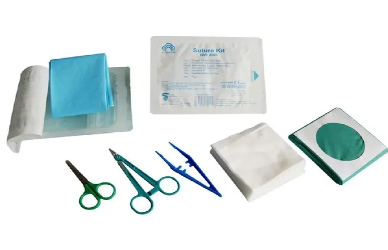
5.Best Practices for Using Single-Use and Reusable Kits
Whether you are using a single-use or reusable dressing kit, it's essential to follow proper procedures for the best results.
How to Use a Single-Use Dressing Kit
Prepare the Wound: Clean the wound using antiseptic wipes provided in the kit.
Apply the Dressing: Use sterile gauze or dressing pads from the kit to cover the wound.
Secure with Tape or Bandage: Use the adhesive tape or bandage to keep the dressing in place.
Dispose Properly: After use, safely dispose of all components, including gauze, bandages, and gloves, in a sealed bag or trash bin.
How to Maintain a Reusable Dressing Kit
After Each Use: Remove any soiled dressing components and clean them thoroughly with soap and water.
Sterilize Components: Use an autoclave or boiling water to sterilize reusable components like gauze and cloth bandages.
Store Properly: Keep the cleaned components in a dry, sterile environment until the next use.
FAQ (Frequently Asked Questions)
1. Can I reuse the gauze and other components from a single-use dressing kit?
No, it is recommended to discard all components after use. Reusing parts of a single-use kit could introduce bacteria to the wound, increasing the risk of infection and delaying the healing process. Each time you open a single-use dressing kit, it is designed for one-time use only to ensure that the wound remains sterile and protected.
2. Are reusable dressing kits safe for long-term use?
Yes, reusable dressing kits can be safe for long-term use, but only if the components are thoroughly cleaned and sterilized after each use. Proper care includes washing, drying, and using approved sterilization methods such as autoclaving or boiling. Always follow the manufacturer’s guidelines to ensure that the kit remains free from contaminants and safe to use. Regular inspections should also be done to check for wear or damage to any reusable parts.
3. What’s the main difference between single-use and reusable dressing kits?
The main difference is that single-use kits are intended for one-time use and must be discarded immediately after application. They are made to maintain sterility throughout the wound-care process. In contrast, reusable kits are designed to be cleaned and sterilized for multiple uses. Reusable kits are more cost-effective over time, especially for long-term wound management, but require proper cleaning and sterilization to maintain their effectiveness.
4. How do I know if a dressing kit is safe to reuse?
Check the manufacturer’s instructions to confirm whether the kit components are designed for reuse. Reusable dressing kits typically include components that are made of durable materials, such as certain types of gauze, bandages, or cloth, which can withstand cleaning and sterilization processes. It is essential to follow specific cleaning and sterilization instructions, as improper maintenance can lead to contamination and make the kit unsafe to reuse. Only use reusable kits if they are marked and designed for multiple uses.
 Conclusion
The choice between single-use and reusable dressing kits ultimately depends on the type of wound, the frequency of dressing changes, and personal or healthcare facility preferences. While single-use kits are often preferred for their sterility, convenience, and ease of use, reusable kits offer significant cost savings and environmental benefits when properly cleaned and maintained. Reusable kits are especially beneficial in long-term care settings where frequent dressing changes are needed. Each type of kit has its advantages, and selecting the right option is critical for effective wound care. By understanding the differences, following proper maintenance guidelines, and adhering to best practices, you can ensure that your wounds heal faster, with minimal risk of infection and complications.


