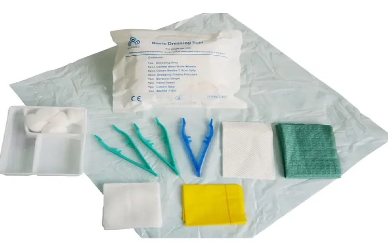
Wound healing is a complex process that requires careful management to ensure the best outcomes. One of the most important tools in effective wound care is the dressing kit. A dressing kit contains essential supplies designed to clean, protect, and support wounds during their healing process. But how exactly does a dressing kit promote wound healing? In this article, we’ll explore the various roles that dressing kits play in wound healing, the different types of dressings available, and tips for using them effectively.
The Importance of Dressing Kits in Wound Healing
Proper wound care is essential for promoting healing, reducing the risk of infection, and minimizing scarring. Dressing kits are an integral part of this process, providing the necessary supplies to manage wounds from minor cuts to more complex surgical incisions. By ensuring that wounds are protected, kept moist, and free from infection, dressing kits can significantly enhance the speed and quality of the healing process.
Wound healing involves several stages, including hemostasis, inflammation, proliferation, and maturation. Each of these stages requires a carefully controlled environment to optimize the healing process. Dressing kits support these stages by providing protection, moisture balance, and absorption for exudates, which are the fluids that leak from the wound as it heals.
Key Functions of Dressing Kits in Wound Healing
A dressing kit plays several critical roles in promoting wound healing. Let’s take a look at how a dressing kit contributes to the healing process.
1.Protecting the Wound from Infection
One of the primary functions of a dressing kit is to protect the wound from external contaminants. When a wound is exposed to the environment, there is an increased risk of bacteria and dirt entering the wound, which can lead to infection. Sterile gauze, dressings, and other components in a dressing kit provide a barrier against these harmful elements, preventing infection and reducing the risk of complications.
The sterile nature of the items in the dressing kit is key to ensuring that the wound remains uncontaminated. Without proper protection, even a minor wound can become infected, leading to longer recovery times and more serious health issues.
2.Maintaining a Moist Environment
A moist environment is critical for the healing of most wounds. Moist wound healing has been shown to accelerate tissue repair, reduce pain, and minimize scarring. Dressing kits are designed to help maintain the appropriate moisture levels around the wound, ensuring that the wound bed is not too dry or too wet.
Dressing kits often include hydrocolloid dressings, foam dressings, and film dressings, which help trap moisture while allowing the wound to breathe. These dressings keep the wound at an optimal moisture level, which can significantly speed up the healing process and prevent the formation of scabs or dry crusts, which can impair healing.
3.Absorbing Exudates
Wounds, particularly those that are large or deep, often produce exudates—fluid that leaks out of the wound as it heals. If this fluid is not properly managed, it can cause the wound to become overly moist, leading to complications such as maceration (softening of the tissue) or delayed healing.
Absorbent materials, such as gauze pads, foam dressings, and hydrocolloid dressings, are essential components in a dressing kit. These materials effectively absorb exudates, ensuring that the wound remains dry and protected. By absorbing excess fluid, these dressings reduce the risk of infection and promote faster healing.
4.Promoting Comfort and Healing
Using a dressing kit correctly can also help promote comfort during the healing process. Some dressings, such as foam dressings, offer cushioning for the wound, reducing pain and discomfort during movement. The cushioning effect can prevent further irritation or trauma to the wound, which is particularly important for individuals with sensitive skin or wounds in high-movement areas.
Furthermore, dressing kits ensure that wounds are kept clean and undisturbed, which not only promotes faster healing but also reduces the likelihood of pain caused by exposure to external elements like air or friction.
Types of Dressings and Their Specific Healing Benefits
There are various types of dressings available, each serving a specific purpose in wound care. Understanding the types of dressings and their benefits can help you choose the right dressing kit for optimal healing.
1.Hydrocolloid Dressings
Hydrocolloid dressings are a type of wound dressing that helps maintain a moist healing environment while providing a barrier to bacteria. These dressings are made from materials that absorb exudates and form a gel-like substance, which supports healing by keeping the wound moist and clean.
Hydrocolloid dressings are particularly useful for wounds that are non-infected and have moderate to high levels of exudate. They are ideal for abrasions, superficial burns, and post-surgical wounds, as they provide a cushioning effect that reduces pain and discomfort.
2.Foam Dressings
Foam dressings are highly absorbent and provide excellent protection for wounds with a lot of exudate. These dressings are soft, flexible, and comfortable, making them ideal for use on pressure ulcers, surgical wounds, and chronic wounds. Foam dressings help maintain a balanced moisture environment while protecting the wound from contamination.
These dressings are also known for their high absorbency, which helps manage larger amounts of fluid without compromising the integrity of the wound or surrounding skin.
3.Antimicrobial Dressings
Antimicrobial dressings contain agents such as silver, iodine, or honey that help reduce bacterial growth and prevent infection. These dressings are especially useful for wounds at a higher risk of infection, such as chronic wounds, diabetic ulcers, or deep surgical wounds.
By reducing bacterial load, antimicrobial dressings prevent infections from setting in, which can delay healing and lead to complications. These dressings offer an additional layer of protection for wounds that are exposed to higher risks of contamination.
4.Gauze and Tape
While gauze and tape are often the simplest components in a dressing kit, they are still essential for basic wound care. Gauze is used to absorb exudates and cover the wound, while tape helps secure the gauze in place. Together, they provide a basic and effective dressing for minor cuts, abrasions, and injuries.
For most minor wounds, sterile gauze and medical tape are sufficient for promoting healing. They allow the wound to breathe while providing protection from dirt and bacteria.
How to Choose the Right Dressing Kit for Optimal Healing
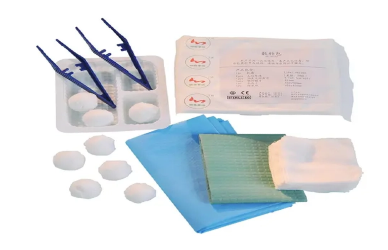
Choosing the right dressing kit is essential to ensure that the wound heals properly. The type of wound, its location, and the level of exudate produced all play a role in determining the best dressing kit for the job. Here are some factors to consider when selecting a dressing kit:
1. Wound Type
For minor cuts and abrasions, a basic first-aid kit with gauze and adhesive tape is sufficient.
For surgical wounds or deep cuts, a specialized kit that includes more advanced dressings, such as foam or hydrocolloid dressings, may be necessary.
Chronic wounds, like diabetic ulcers or pressure sores, require more specialized kits, often including antimicrobial dressings to prevent infection.
2. Level of Exudate
The amount of fluid a wound produces will determine the type of dressing needed. For wounds with low to moderate exudate, hydrocolloid or gauze dressings are usually sufficient. For wounds with heavy exudate, a more absorbent dressing, such as foam, is recommended.
3. Professional Guidance
If you’re unsure about which dressing kit to choose, it’s always a good idea to consult with a healthcare professional. They can help you select the best kit based on your specific wound type and healing requirements.
Tips for Using Dressing Kits Effectively
To ensure that your wound heals as quickly and effectively as possible, it’s important to use your dressing kit correctly. Here are some tips for getting the most out of your dressing kit:
1. Follow Proper Application Techniques
Always apply dressings gently and carefully to avoid further trauma to the wound. Make sure the dressing is securely in place without being too tight, as this could cause discomfort or impede circulation.
2. Change the Dressing Regularly
To ensure proper healing, it’s important to change the dressing regularly. The frequency will depend on the type of wound and the amount of exudate. As a general rule, most dressings should be changed every 2-3 days or sooner if the dressing becomes wet, soiled, or uncomfortable.
3. Monitor for Signs of Infection
While using a dressing kit helps reduce the risk of infection, it’s still important to monitor the wound for signs of infection, such as increased redness, swelling, or discharge. If you notice any of these symptoms, consult a healthcare professional immediately.
FAQ (Frequently Asked Questions)
1. Can using a dressing kit reduce scarring?
Yes, a dressing kit helps maintain a clean and moist environment, which can reduce the likelihood of excessive scarring and promote better tissue healing.
2. How often should I change the dressing in a dressing kit?
Dressing changes depend on the wound type and level of exudate; generally, it’s advised to change dressings every 2-3 days or as recommended by a healthcare professional.
3. What happens if I don’t use a dressing kit on my wound?
Not using a dressing kit may increase the risk of infection, delayed healing, and excessive scarring, as the wound is left exposed to contaminants.
4. Can I use a dressing kit for chronic wounds?
Yes, there are specific types of dressing kits designed for chronic wounds, which provide additional support for long-term healing and infection control.
Conclusion
Dressing kits are invaluable tools in promoting wound healing. By providing protection, maintaining moisture, absorbing exudates, and reducing the risk of infection, dressing kits create the ideal conditions for wounds to heal quickly and effectively. Understanding the different types of dressings and knowing how to use them properly can make a significant difference in the healing process, whether you’re dealing with a minor cut or a more complex chronic wound.


