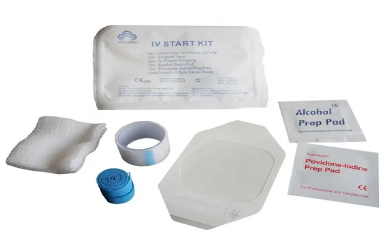
A dressing kit is an essential tool in wound care. Whether for minor injuries at home or post-surgical wounds requiring medical attention, dressing kits offer the necessary supplies to maintain hygiene and promote healing. This article explores the components, types, and uses of dressing kits, offering a comprehensive guide to what’s included in a typical dressing kit.
What is a Dressing Kit?
A dressing kit is a pre-assembled, sterile medical kit designed to provide all the necessary items for wound care. It helps to clean, protect, and dress wounds properly, thereby minimizing the risk of infection and supporting the healing process. Dressing kits are widely used in both professional healthcare settings, such as hospitals, and for home use.
These kits are essential tools that help individuals and healthcare professionals manage wounds efficiently, ensuring that they are protected from bacteria and other harmful elements. They are also designed to keep the wound environment optimal for faster healing.
Key Components of a Typical Dressing Kit
Dressing kits are carefully curated to include specific items necessary for effective wound care. Here are the most common components found in a typical dressing kit:
1. Sterile Gauze
Sterile gauze pads are one of the most common items included in a dressing kit. They are used to absorb wound exudates, helping to keep the wound dry and free from moisture. Gauze also serves as a barrier to dirt and bacteria, which can cause infections if they come into contact with open wounds.
Gauze is typically made from cotton or a cotton blend and comes in different sizes depending on the size of the wound. The sterile nature of the gauze ensures that it is free from contaminants that could compromise the healing process.
2. Adhesive Tape
Adhesive tape plays a critical role in holding the dressing in place. After the sterile gauze is applied to the wound, the tape helps to secure it and prevent any movement that could expose the wound to contaminants.
There are several types of adhesive tapes, including fabric tape, paper tape, and plastic tape, each designed for different applications. Some tapes are more flexible, while others are waterproof or hypoallergenic. The right type of tape depends on the patient’s skin sensitivity and the specific needs of the wound.
3. Gloves
Gloves are a crucial item in any dressing kit. They are necessary for maintaining hygiene and preventing contamination when handling wounds. Medical gloves are designed to prevent contact between the hands and the wound, protecting both the healthcare provider and the patient from potential infections.
Gloves are made from various materials such as latex, nitrile, and vinyl. Latex gloves provide a snug fit, while nitrile gloves are more resistant to punctures and suitable for individuals with latex allergies.
4. Antiseptic Wipes
Antiseptic wipes are used to clean the wound and the surrounding area before applying the dressing. The antiseptic solution in the wipes helps eliminate bacteria and reduces the risk of infection. This is an important step in the wound-care process, as it prepares the wound for the dressing application.
The wipes are typically impregnated with alcohol or iodine, but there are also alcohol-free options for those with sensitive skin. It is important to note that antiseptic wipes should be used gently and not in excess, as harsh scrubbing can damage the surrounding tissue.
5. Scissors and Tweezers
Scissors and tweezers are essential tools for cutting dressings to the appropriate size or removing any debris from the wound. Scissors should be sterilized and used with caution to avoid injury, while tweezers are used to pick up small foreign particles or pieces of clothing that may be stuck in the wound.
These tools allow for more precision during dressing changes and help ensure that the wound is properly cleaned and dressed.
6. Bandages
Bandages are used to wrap the wound and provide extra support. They may be included in a dressing kit as part of the overall dressing change process. Bandages help secure gauze and other dressings in place and can offer compression if needed. They can also assist in reducing swelling around the wound.
There are various types of bandages available, including elastic bandages, cotton bandages, and self-adhesive bandages. The choice of bandage depends on the location and size of the wound.
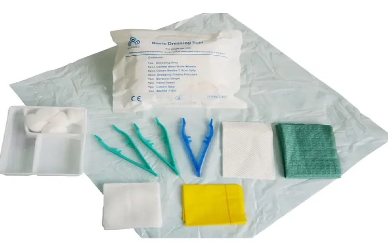
Types of Dressing Kits
Dressing kits come in a range of varieties, each designed for different purposes. Here are some common types:
1. Basic First-Aid Dressing Kit
A basic first-aid dressing kit is typically used for minor injuries, such as cuts, scrapes, or abrasions. It contains the essential items to clean and protect the wound, such as sterile gauze, adhesive tape, and antiseptic wipes. This type of kit is perfect for home use or for taking on outdoor activities where injuries might occur.
These kits are often compact and easy to store, ensuring that you always have the necessary supplies available in case of an emergency.
2. Surgical Dressing Kit
A surgical dressing kit is designed specifically for post-operative care. After surgery, wounds need to be kept clean and sterile to avoid infection. Surgical dressing kits typically contain specialized tools for wound care, such as wound contact layers, absorbent dressings, and securement devices. These kits are more advanced and provide everything needed to manage surgical wounds and ensure proper healing.
In some cases, surgical kits may also include negative pressure wound therapy (NPWT) components, which help promote faster healing in severe wounds by applying suction to remove excess fluid.
3. Advanced Wound Care Kit
An advanced wound care kit is used for more severe wounds, such as chronic ulcers, burns, or pressure sores. These kits may include specialized dressings like hydrocolloids, foam dressings, and silver-infused dressings, which are known for their antibacterial properties. These advanced kits are often used for patients with long-term wound care needs or those who require additional support for faster recovery.
These kits are designed to address the complexities of healing deep or infected wounds and typically include a wider range of dressings and materials.
How to Use a Dressing Kit for Wound Care
Using a dressing kit properly is essential for effective wound care. Follow these steps to ensure that the wound is cleaned, protected, and managed appropriately.
1. Wash Your Hands
Before touching any wound or dressing supplies, thoroughly wash your hands to prevent the introduction of bacteria. This is a critical first step to avoid any contamination and reduce the risk of infection.
Use soap and water for at least 20 seconds, or use an alcohol-based hand sanitizer if soap and water are unavailable.
Dry your hands with a clean towel or air dryer to ensure that no bacteria is transferred from wet hands.
2. Clean the Wound
Use antiseptic wipes to gently clean the wound and the surrounding area. Cleaning helps to remove dirt, debris, and any bacteria that may lead to infection. It also ensures the wound is ready for dressing.
Start by wiping the area around the wound to ensure the surroundings are sterile before applying the dressing.
Avoid scrubbing the wound, as this can irritate or damage the tissue. Instead, gently dab or wipe the area.
3. Apply Gauze
Once the wound is clean, it’s time to apply sterile gauze. Gauze absorbs exudates (fluids that leak from wounds) and helps keep the wound protected from dirt and bacteria.
Place a sterile gauze pad over the wound. Make sure the entire wound is covered with enough gauze to absorb any fluids.
If the wound is large, you may need to use multiple gauze pads. Be sure they are placed without overlapping too much to avoid discomfort.
4. Secure with Tape
To keep the gauze in place, use adhesive tape. Properly securing the gauze ensures that it stays in place, preventing it from shifting or being exposed to contaminants.
Use an appropriate type of tape (such as fabric or plastic) depending on the wound and your skin’s sensitivity.
Apply the tape around the edges of the gauze to ensure it is securely attached. Avoid taping the gauze too tightly, as it could restrict blood flow.
5. Cover with a Bandage (Optional)
If necessary, especially for larger or deeper wounds, you may need to cover the dressing with a bandage. The bandage provides extra support and further protection to keep the wound secure.
Wrap the bandage around the wound and gauze to keep the dressing in place and provide additional support to the area.
Ensure the bandage is snug but not too tight, as excessive pressure could cause discomfort or restrict circulation.
6. Change the Dressing
The frequency of changing the dressing depends on the type of wound and your healthcare provider’s advice. Generally, dressings should be changed every 2-3 days or sooner if the dressing becomes wet or dirty.
Carefully remove the old dressing and clean the wound again as you did initially.
Replace the gauze and tape with fresh supplies to maintain a clean and sterile environment for healing.
FAQ
1. Can a dressing kit be used for minor burns?
Yes, many dressing kits include specialized burn dressings that help soothe the pain and protect the area from infection.
2. What’s the difference between a dressing kit and a first aid kit?
A dressing kit is focused solely on wound care and dressing changes, while a first aid kit includes a wider range of emergency supplies.
3. How long can a dressing kit be stored?
Dressing kits have a shelf life of 2-5 years if unopened and stored properly in a cool, dry place.
4. Are dressing kits only for professional use?
No, dressing kits are designed for both professional and home use, offering a convenient solution for managing wounds in various settings.
Conclusion
A dressing kit is an essential item in both emergency care and professional healthcare settings. By understanding the components, types, and correct usage of dressing kits, individuals and healthcare providers can ensure that wounds are properly managed and healed, reducing the risk of infection and promoting faster recovery.


