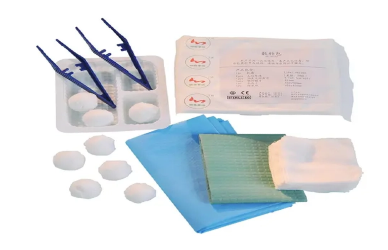
Proper wound care is essential for promoting healing and preventing infection. One of the most important aspects of wound care is knowing how often to change the dressing. The frequency of dressing changes depends on several factors, including the type of wound, the amount of fluid exudate, and the risk of infection. In this article, we will explore the various factors influencing the frequency of dressing changes, common guidelines, and tips for effectively using a dressing kit.
1.The Importance of Changing Wound Dressings
Changing a dressing is a crucial part of the wound care process. A dressing serves multiple purposes, such as protecting the wound from contaminants, absorbing exudates, and creating an optimal healing environment. If a dressing is left on for too long or is not changed regularly, it can lead to infection, delayed healing, and complications like excessive scarring.
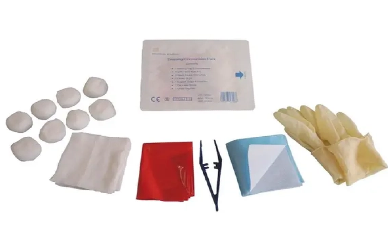
The right dressing kit can make all the difference in ensuring a wound heals properly. A dressing kit typically includes
all the necessary supplies, such as gauze, tape, antiseptic wipes, and sometimes more advanced dressings like hydrocolloids and foam. Each of these items plays a role in maintaining the sterile environment needed for the healing process. However, understanding how often to change the dressing is critical to maximizing the effectiveness of a dressing kit.
2.Factors Influencing Dressing Change Frequency
The frequency of dressing changes is not one-size-fits-all. Several factors influence how often you should change the dressing in a dressing kit. These include the wound type, exudate levels, infection risk, and the type of dressing used.
Wound Type
Different wounds require different care routines. Minor cuts and abrasions generally heal faster and require less frequent dressing changes, while larger, deeper, or more complex wounds (like surgical wounds or burns) may require more attention.
For example:
Minor cuts: Usually need dressing changes every 2–3 days.
Surgical wounds: Typically require more frequent changes depending on the type of surgery and the presence of stitches.
Chronic wounds: These, such as diabetic ulcers, may require daily or more frequent dressing changes to prevent infection and ensure proper healing.
Exudate Levels
Exudates are the fluids that leak from a wound during the healing process. The amount of exudate a wound produces will influence how often the dressing needs to be changed. Wounds that produce a lot of exudate, such as ulcers or large wounds, may require daily dressing changes, while those with minimal exudate may only need a change every 2–3 days.
Wound Type | Exudate Level | Dressing Change Frequency |
Minor cuts/abrasions | Low | Every 2–3 days |
Surgical wounds | Moderate | Every 1–2 days |
Chronic wounds (e.g., diabetic ulcers) | High | Daily or as per healthcare provider's instructions |
Burns or large wounds | High | Every 1–2 days or more frequently if necessary |
Infection Risk
Wounds at a higher risk of infection, such as open surgical sites or chronic wounds, may need their dressings changed more often. Infection can significantly slow down the healing process, and using a dressing kit to manage this risk is crucial.
For example:
Infected wounds: These may need to be checked and redressed more frequently to prevent bacteria from setting in.
Surgical wounds: After a surgery, the risk of infection is high, so changing the dressing regularly and observing for signs of infection is essential.
Type of Dressing Used
The type of dressing in the dressing kit can also impact how often it needs to be changed. Some advanced dressings, like hydrocolloids or foam dressings, are designed to stay on longer and may only need to be changed every 3–7 days. In contrast, more basic dressings, like gauze, might need to be replaced more frequently, especially if they become wet or soiled.
Dressing Type | Typical Change Frequency | Purpose |
Hydrocolloid dressing | Every 3–7 days | Maintains moisture, prevents infection |
Foam dressing | Every 2–3 days | Absorbs exudate, provides cushioning |
Gauze dressing | Every 1–2 days or as needed | Basic coverage, absorbs exudate |
3.Common Recommendations for Dressing Change
Most dressing kits come with general instructions for when and how to change the dressing. These instructions are often based on the type of wound and the level of exudate. However, there are some common guidelines that can apply to a wide range of wounds.
General Guidelines for Dressing Changes
In general, dressings should be changed every 2–3 days for minor wounds that are healing normally. If the wound is producing exudate, the dressing may need to be changed more frequently, such as once a day. For more serious wounds, such as surgical or chronic wounds, the frequency can vary from every day to every few days depending on the severity and the doctor’s recommendations.
Post-Surgical Wounds
For post-surgical wounds, it is crucial to follow the guidance of your healthcare provider. Surgical wounds often need more attention to prevent infection. The dressing may need to be changed every 1–2 days, or sooner if it becomes wet, soiled, or uncomfortable.
Chronic Wounds
Chronic wounds, such as diabetic ulcers or pressure sores, can be more difficult to manage and often require daily dressing changes. This ensures the wound remains clean, dry, and free from infection. Specialized dressings, such as antimicrobial or hydrocolloid dressings, may be used to help promote healing and prevent infection in chronic wounds.
Burns or Large Wounds
For burns or large, deep wounds, it’s important to change the dressing regularly to prevent infection and help with tissue regeneration. Dressings for burns, for instance, may need to be changed every 1–2 days, or more frequently if they become wet or soiled.
4.How to Tell When It’s Time to Change the Dressing
Knowing when to change the dressing is just as important as following a regular schedule. Here are some signs that it’s time to replace the dressing:
Wet, Soiled, or Uncomfortable Dressings
If the dressing becomes wet, soiled, or uncomfortable, it’s time to change it. A wet dressing can promote bacterial growth, while a soiled dressing can lead to infection. Additionally, a dressing that becomes uncomfortable may cause unnecessary pressure on the wound, slowing healing.
Signs of Infection
If the wound shows signs of infection, such as increased redness, swelling, warmth, or discharge, it’s essential to change the dressing and possibly consult a healthcare professional for further treatment. The dressing kit plays an important role in controlling the risk of infection, but if infection sets in, the dressing may need to be changed more frequently.
5.Tips for Effective Dressing Changes
To ensure that you’re changing the dressing properly and promoting healing, here are some key tips for using your dressing kit effectively:
Clean Hands and Equipment
Always wash your hands thoroughly before handling any wound or dressing supplies. It’s important to maintain cleanliness to avoid contaminating the wound.
Gentle Dressing Removal
When removing the dressing, do so gently to avoid damaging the skin or wound. Pull the dressing off slowly and be mindful of any adhesive or gauze that may stick to the wound.
Proper Disposal of Used Dressings
After removing the old dressing, dispose of it carefully to prevent contamination. Place the used dressing in a sealed bag before disposing of it in a trash container.
FAQ (Frequently Asked Questions)
1. Can I change the dressing less often if the wound is small?
Even small wounds need to be regularly checked for cleanliness and infection. While the frequency may vary based on the wound, it’s still important to change the dressing at least every 2–3 days or sooner if necessary.
2. What should I do if the dressing becomes wet before the recommended change time?
If the dressing becomes wet, change it immediately. A wet dressing can encourage the growth of bacteria and lead to complications.
3. Can I reuse a dressing if it’s not visibly soiled?
No, dressings should never be reused. Even if the dressing appears clean, it may still harbor bacteria or other contaminants.
4. How can I tell if my dressing is causing irritation or discomfort?
Signs of irritation include redness, swelling, or itching around the edges of the dressing. If you experience these symptoms, it may be time to change the dressing or try a different type.
Conclusion
Changing the dressing regularly is crucial for effective wound healing. The right dressing kit provides the necessary tools to manage wounds, prevent infection, and promote faster healing. By understanding the factors that determine how often to change the dressing and following the proper techniques for applying and removing it, you can significantly improve the healing process. Regular dressing changes help maintain a sterile environment, absorb excess exudates, and keep the wound protected from external contaminants. Additionally, adhering to proper hygiene practices throughout the process ensures that wounds heal efficiently with minimal complications, such as infection or delayed recovery. Whether dealing with minor cuts or more serious wounds, consistently changing the dressing as needed is one of the most effective ways to support optimal healing, reduce the risk of complications, and ensure that the wound remains clean and properly protected. Proper care and attention during each dressing change are essential steps toward achieving the best possible recovery outcome.


